
Access Denied
Access Denied

The site owner may have set restrictions that prevent you from accessing the site. Please contact the site owner for access.

Protected by 
MIDA Logo  MIDA
Skip to content

Collection: Chopping Boards

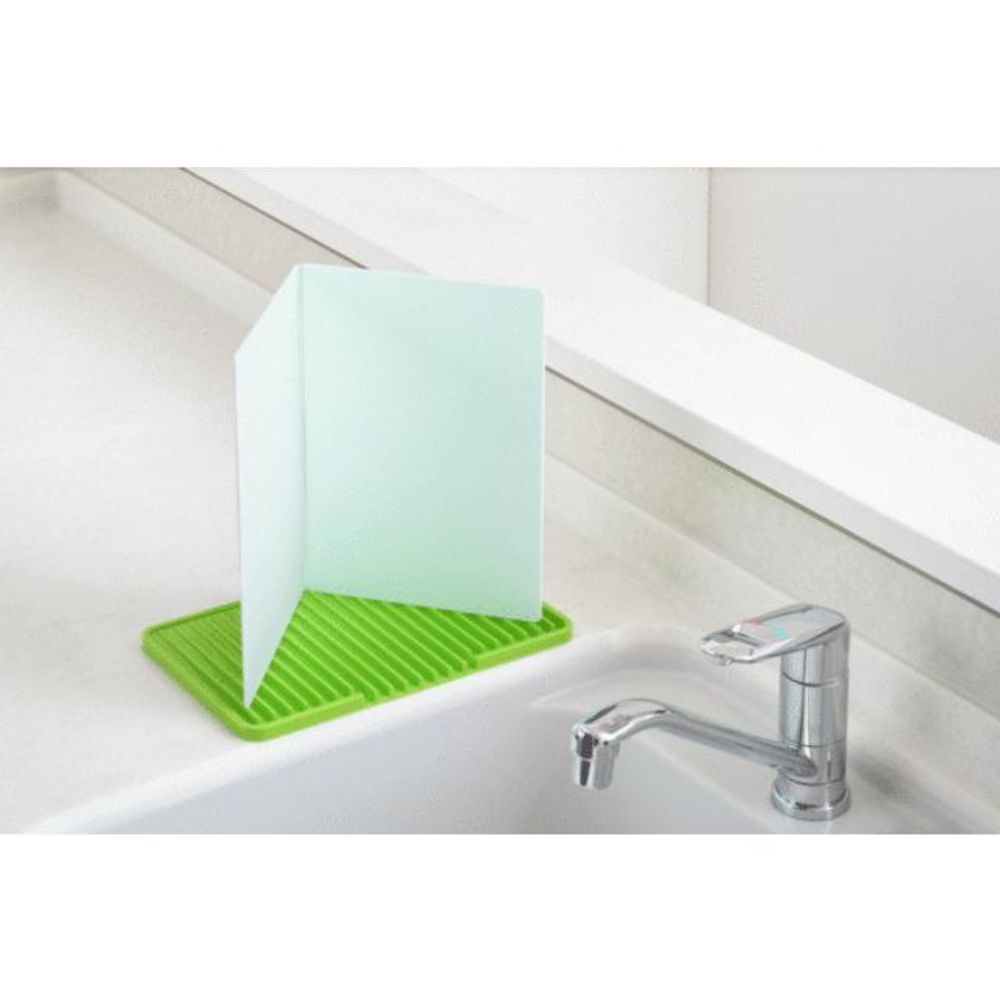
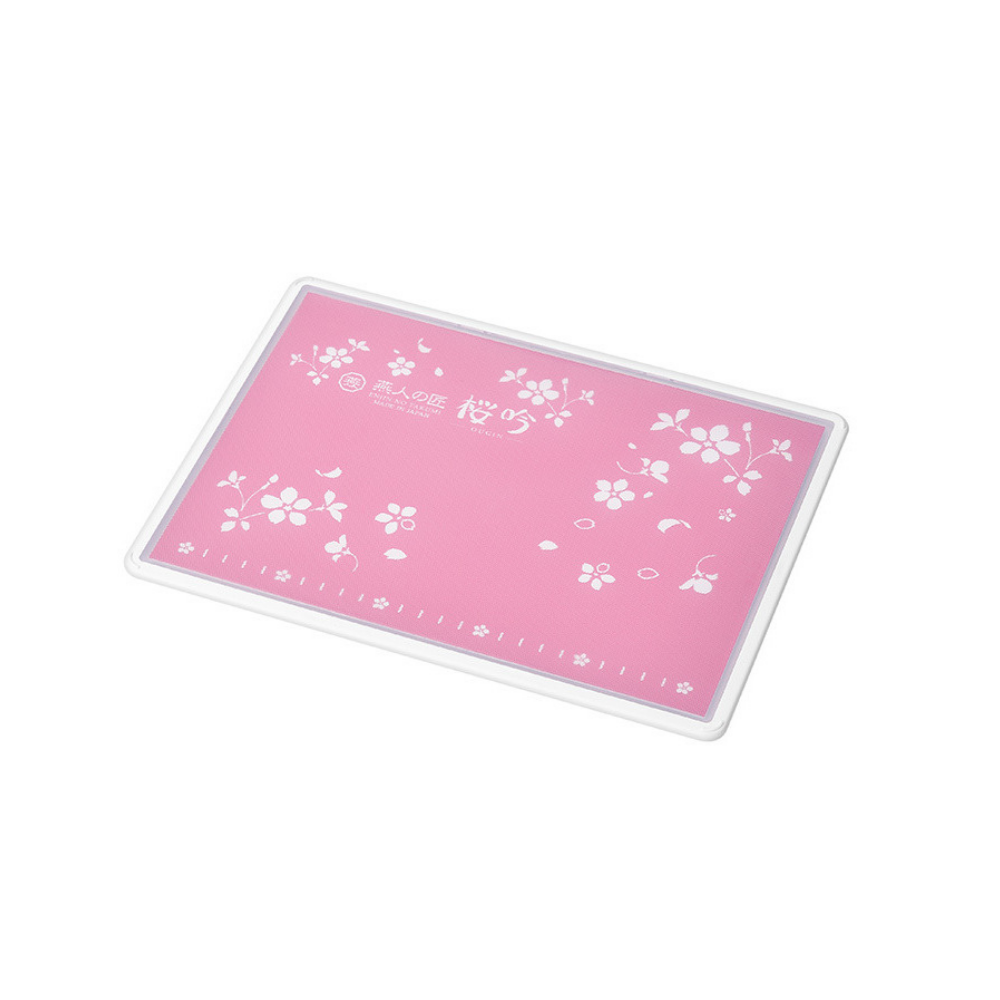
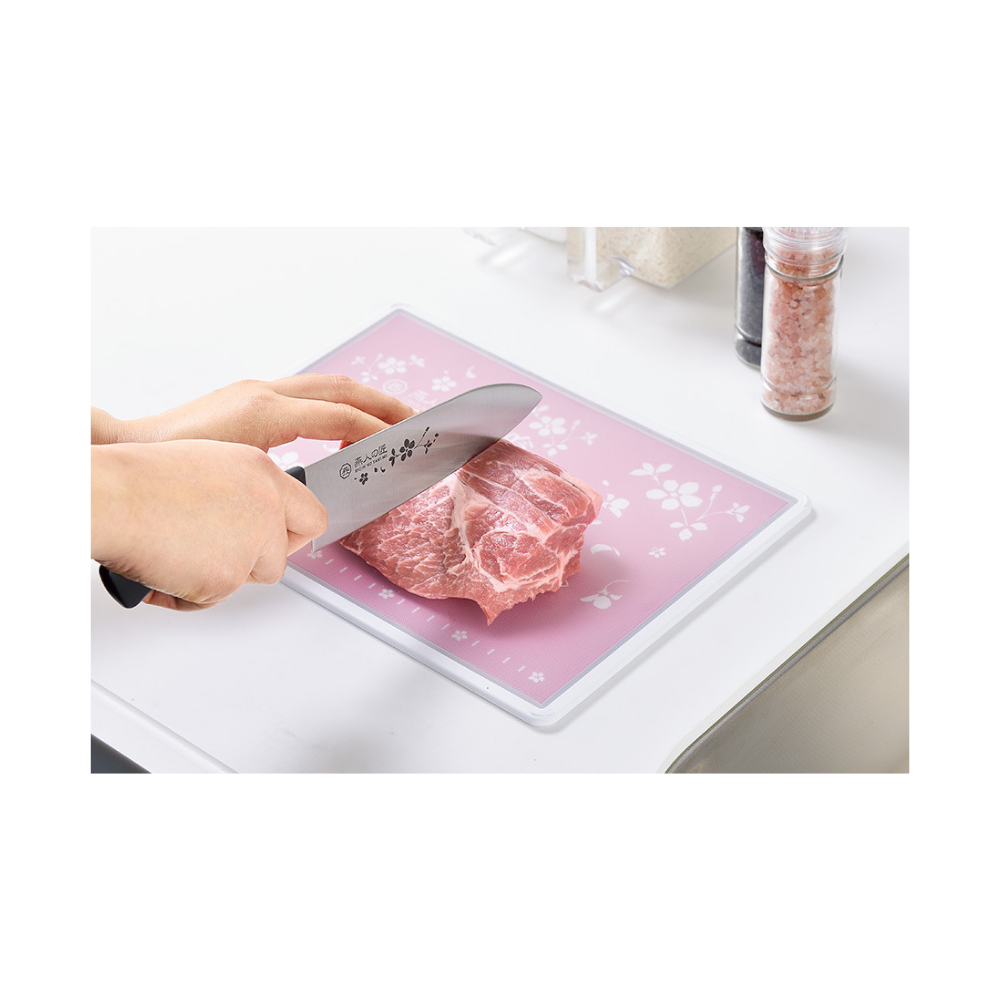
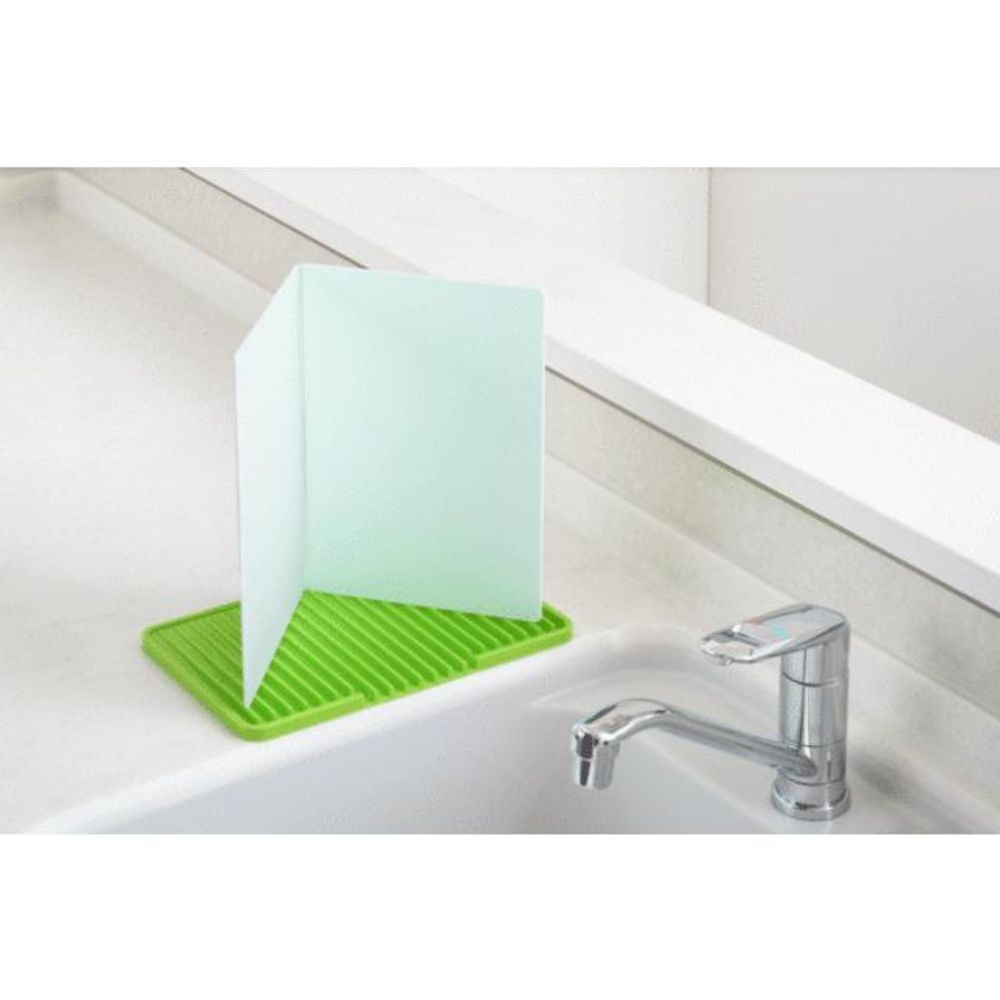
Yokoyama Tsubame Separate Cutting Board - Sakura-gumi

Yokoyama Tsubame Separate Cutting Board - Sakura-gumi

Regular price
Sale price $23.40 Regular price $46.80
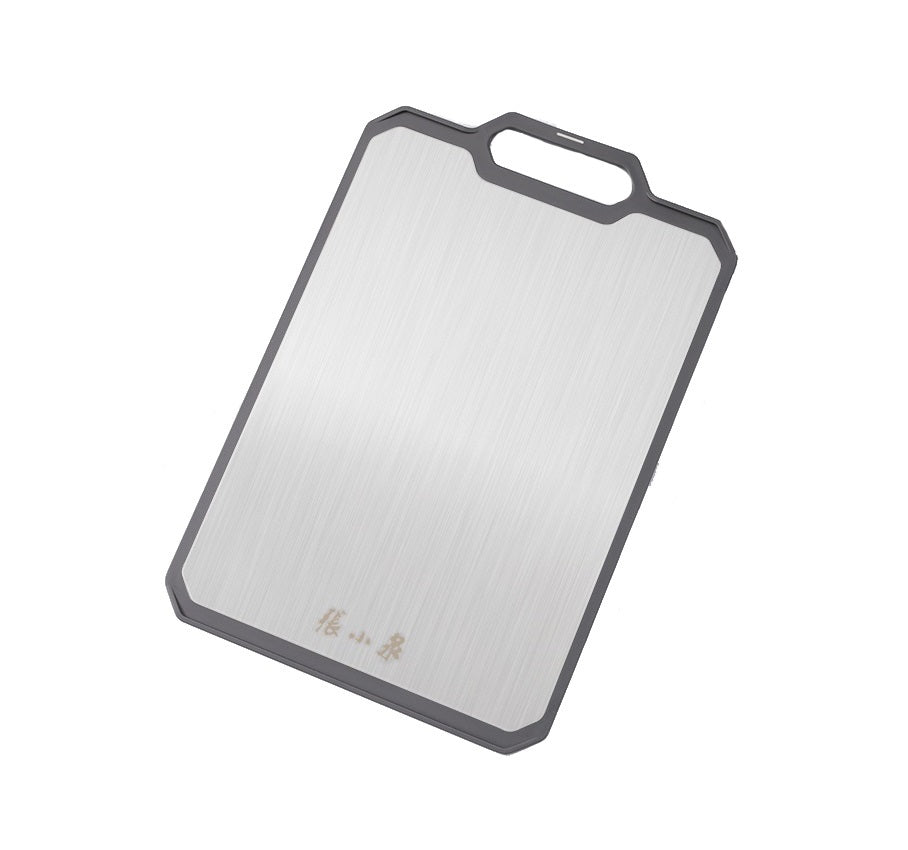
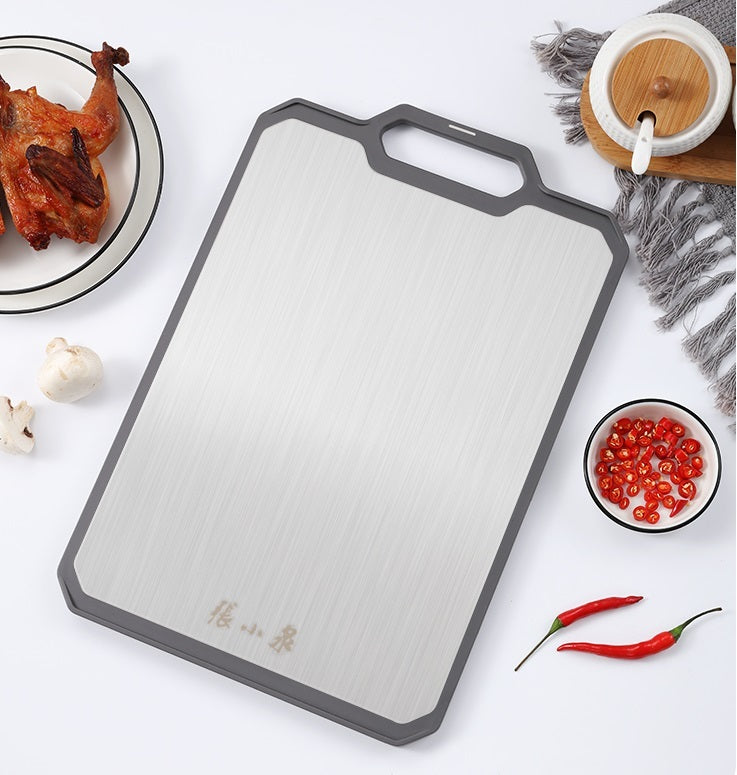
Zhang Xiaoquan C52070100 Chuyue Reversible Choping Cutting Board 38cm

Zhang Xiaoquan C52070100 Chuyue Reversible Choping Cutting Board 38cm

Regular price
Sale price $49.00 Regular price $59.00
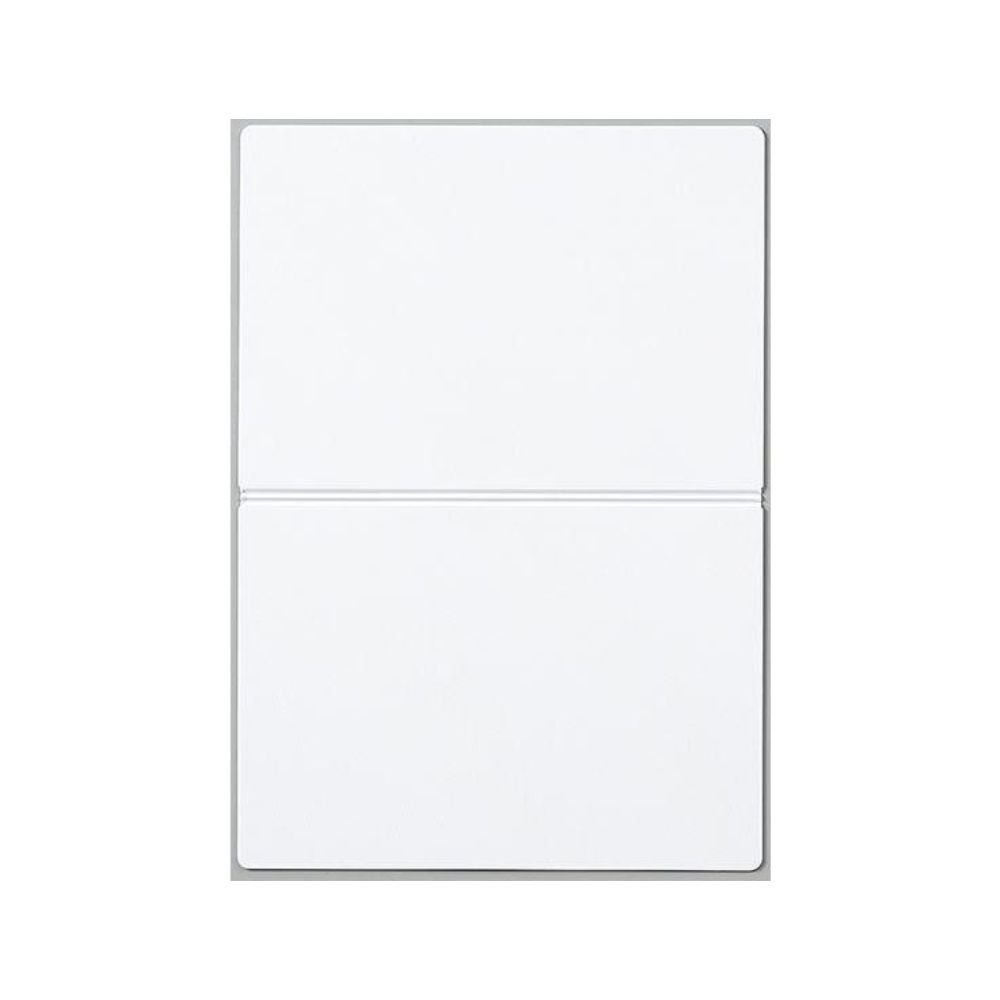
Kawasaki Cutting Board - White
50% OFF WHILE STOCK LAST!

Kawasaki Cutting Board - White

Regular price
Sale price $10.80 Regular price $21.60
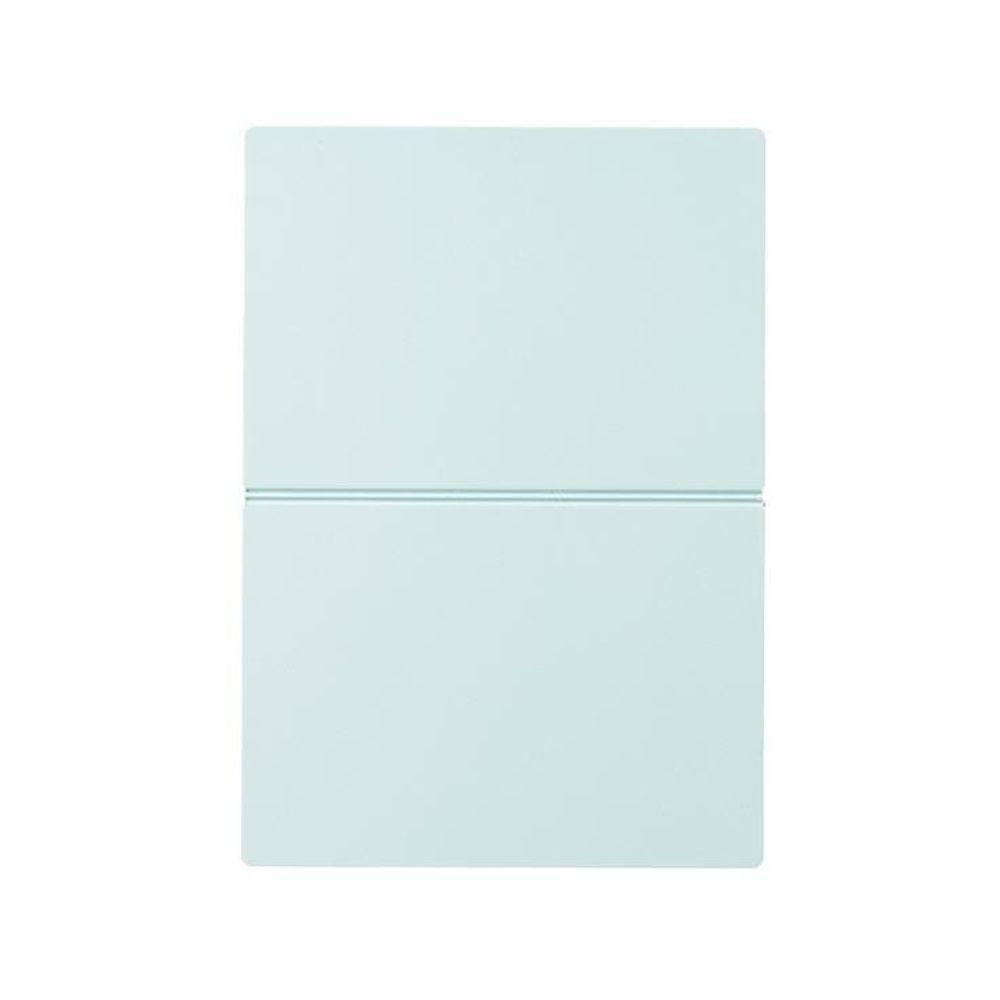
Kawasaki Cutting Board - Blue
50% OFF WHILE STOCK LAST!

Kawasaki Cutting Board - Blue

Regular price
Sale price $10.80 Regular price $21.60
Trusted In-store and Online Across Australia Since 2009

Hello Kitchen & Home

4.8

powered by

Chopping Boards Australia

A good chopping board makes food prep faster, cleaner, and easier on your knives. The material you choose affects how long it lasts, how easy it is to clean, and whether it's gentle enough for the blades you're using. Hello Kitchen stocks a wide range of chopping boards in wood, stainless steel, plastic, TPU, and antibacterial options to suit different kitchens and cooking habits.

Wooden Chopping Boards

Wood is a classic choice for a reason. It's gentle on knife edges, has a natural antimicrobial quality, and looks good on the bench. WoodLand's sandalwood, rosewood, and European cherry wood boards are premium options built to last with proper care. Heavier and more substantial than plastic, they're the kind of board you buy once and keep for years.

Stainless Steel Chopping Boards

Stainless steel chopping boards are hygienic, easy to clean, and don't absorb odours or stains the way other materials can over time. Kylin and Cooker King both offer double-sided stainless steel boards in multiple sizes, practical for households that want a low-maintenance option that holds up well with daily use.

Antibacterial Chopping Boards

For extra peace of mind, antibacterial chopping boards use materials that actively inhibit bacterial growth on the surface. Ihara Kihan's Japanese antibacterial boards and binchotan charcoal boards are a popular choice for households where hygiene is a priority, particularly when prepping raw meat or fish.

Plastic and TPU Chopping Boards

Plastic and TPU boards are lightweight, dishwasher safe, and easy to replace. A practical everyday option for quick prep tasks or as a colour-coded set to keep different food types separate. Robo's TPU antibacterial boards are BPA free and knife-friendly, making them a solid mid-range option between basic plastic and premium wood.

Using Multiple Chopping Boards

Using separate boards for different food types, one for meat, one for vegetables, one for bread, is one of the simplest ways to prevent cross-contamination in the kitchen. Colour-coded sets make it easy to keep track of which board is used for what without having to think about it.

Chopping Boards Frequently Asked Questions

It depends on your priorities. Wood is gentle on knives and looks good but requires regular oiling and hand washing. Stainless steel is hygienic and low maintenance but harder on knife edges over time. Plastic and TPU boards are easy to clean and replace. Antibacterial boards add an extra layer of protection for households that prep raw meat regularly. Most kitchens benefit from having at least two different boards for different tasks.

Yes, wood has natural antimicrobial properties that help inhibit bacterial growth on the surface. The key is keeping the board clean and dry after each use and oiling it regularly to prevent cracking, which is where bacteria can accumulate. A well-maintained wooden board is considered just as hygienic as plastic for most everyday kitchen tasks.

Binchotan is a type of Japanese activated charcoal known for its antibacterial and deodorising properties. Chopping boards made with binchotan charcoal incorporate this material to actively inhibit bacterial growth and reduce odours on the board surface. They are particularly popular in Japanese households for their hygiene benefits and clean aesthetic.

Hand wash with warm soapy water and dry immediately after use. Never soak in water or put in the dishwasher as prolonged moisture causes wood to crack and warp over time. Apply food-grade mineral oil or beeswax regularly to keep the surface conditioned and prevent drying. Store upright or flat in a dry place away from direct heat.

Replace a chopping board when it develops deep cuts or grooves that are difficult to clean thoroughly, as these can harbour bacteria. Plastic boards generally show wear faster than wood or stainless steel. A well-maintained wooden or stainless steel board can last for many years without needing replacement.

Yes, using separate boards for raw meat and produce is one of the most effective ways to prevent cross-contamination in the kitchen. Colour-coded board sets make this straightforward and easy to maintain as a habit. At minimum, keep one board dedicated to raw meat and another for everything else.