Do Shower Filters Actually Work? What They Remove and What They Don't

The honest answer is: yes, a good shower filter genuinely reduces chlorine and some sediment or rust particles in your water, which can noticeably improve how your skin and hair feel after showering. What it can't do is remove all contaminants, soften genuinely hard water, or replace a whole-house filtration system. It's a targeted, affordable upgrade, not a complete water treatment solution.
Jump to a Section
- What a Shower Filter Actually Removes
- Our Pick: Kylin Shower Head Set With Filter
- How Ceramic Ball and Cartridge Filters Work
- Factors at a Glance
- Can a Shower Filter Soften Hard Water?
- Who Actually Benefits Most From a Shower Filter
- What Shower Filters Do and Don't Do
What a Shower Filter Actually Removes
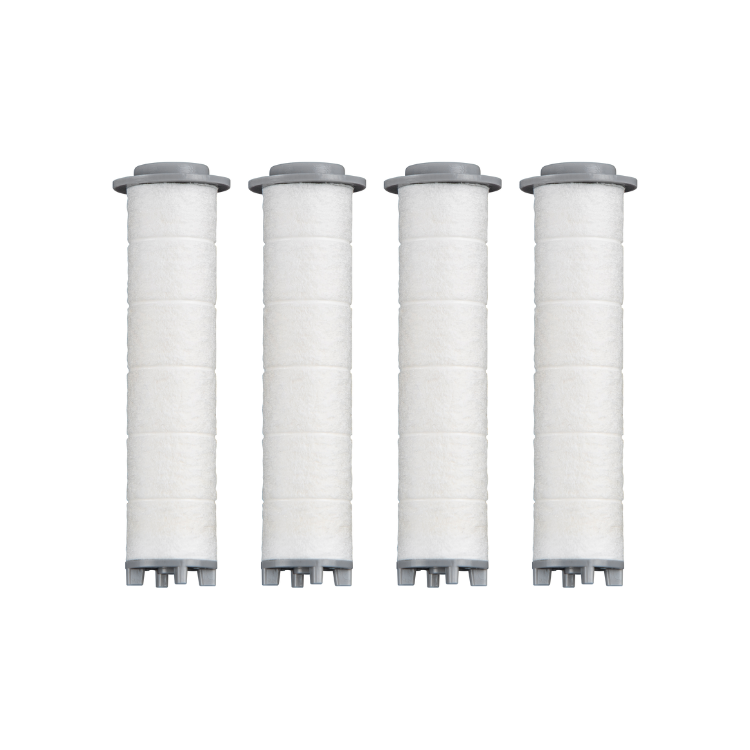
Most shower filters are designed primarily to reduce chlorine and chloramine, the disinfectants added to municipal water supplies to keep it safe to drink. Chlorine in hot shower water can dry out skin and hair more than most people realise, since heat opens pores and increases absorption. Beyond chlorine, filters with activated carbon or KDF media can also reduce some heavy metals, like lead or mercury in trace amounts, and finer mesh or ceramic components can catch sediment, rust particles, and other visible impurities that sometimes come through ageing plumbing. None of this makes shower water "pure," but it does meaningfully improve water quality for the specific issues these filters are built to target.
Our Pick: Kylin Shower Head Set With Filter

The Kylin Shower Head Filter Set with Ceramic Ball & ON/OFF Control combines a precision spray plate for stronger water pressure with an integrated ceramic ball filter designed to reduce chlorine and impurities as water passes through. It also includes a transparent window so you can actually see the filter's condition rather than guessing when it needs replacing, plus an on/off control button that pauses water flow without resetting your temperature, useful if you like to lather up without wasting water. It's a straightforward way to add filtration to an existing shower without a plumber or a full fitting replacement.
How Ceramic Ball and Cartridge Filters Work
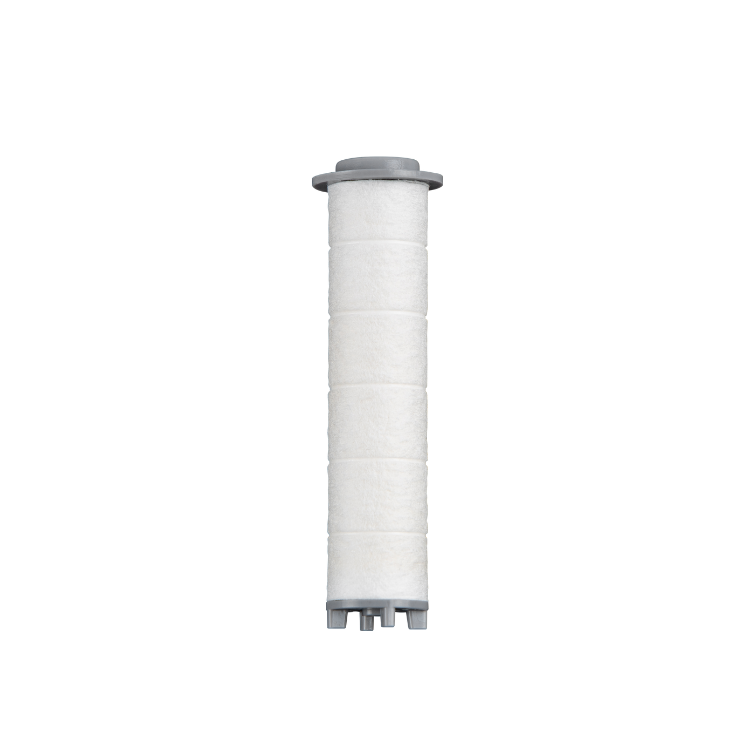
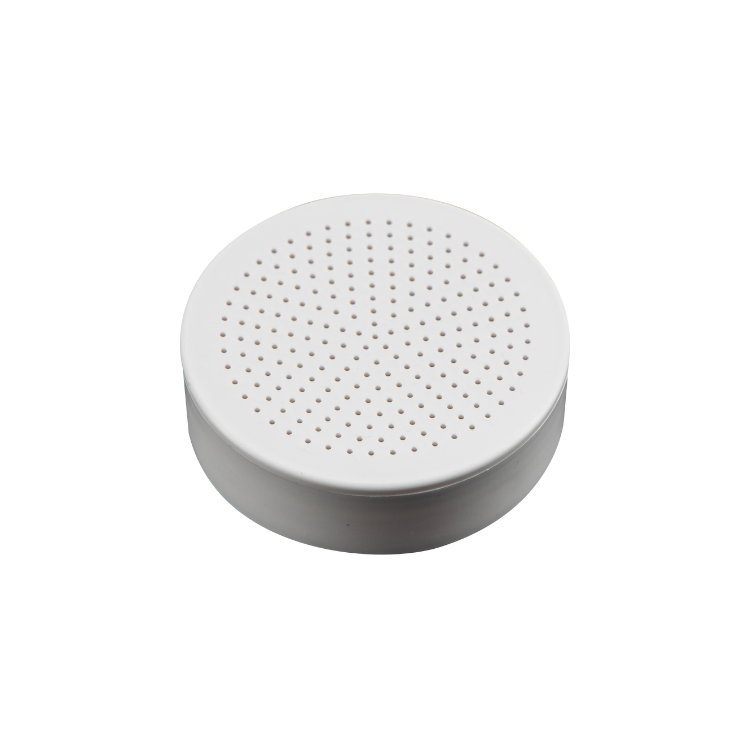
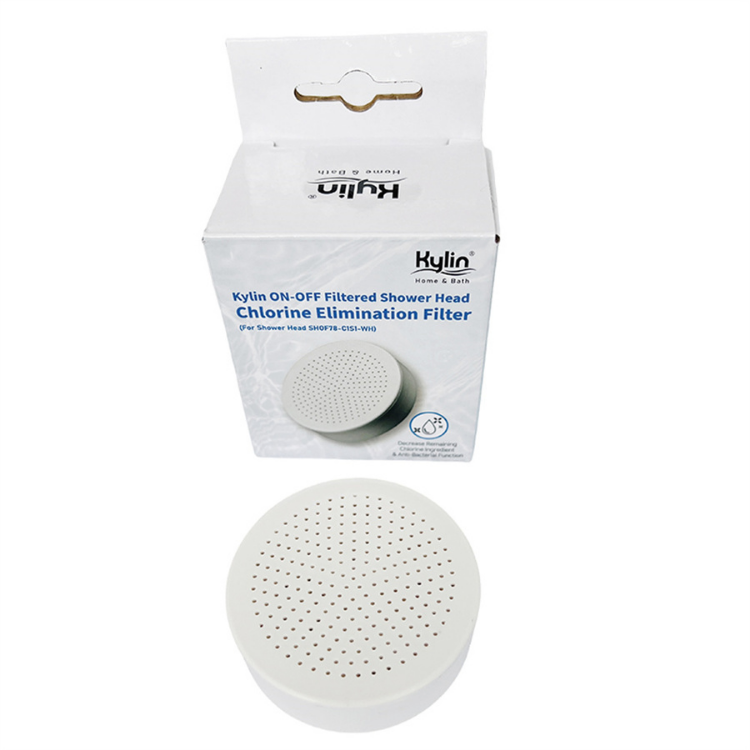
Ceramic ball filters, like the one in the Kylin shower head, work by passing water through a dense ceramic media that traps larger particles and interacts chemically with chlorine to help neutralise it before the water reaches the spray plate. Cartridge-style filters, common in other shower filter designs, typically layer activated carbon, KDF media, and sometimes vitamin C infusions to target chlorine through slightly different chemical processes. Both approaches reduce the same core contaminants, chlorine being the most consistent target across nearly all shower filter designs, but ceramic filters tend to have a longer usable life before needing replacement compared to some cartridge types.
Factors at a Glance
Removes well: Chlorine, chloramine, sediment, rust particles.
Removes partially: Trace heavy metals, depending on filter media.
Doesn't remove: Dissolved minerals that cause water hardness.
Best for: Households on municipal (chlorinated) water supply.
Maintenance: Filter cartridges need periodic replacement to stay effective.
Can a Shower Filter Soften Hard Water?
This is one of the most common misunderstandings about shower filters, and it's worth being upfront about it. Hard water is caused by dissolved minerals, mainly calcium and magnesium, and these minerals pass straight through standard carbon or ceramic shower filters because they're dissolved rather than suspended as particles. Actually softening water requires a dedicated water softener, typically an ion-exchange system, which is a separate and more involved installation than a shower head filter. If your main concern is limescale build-up, dry skin specifically linked to hardness, or soap not lathering properly, a shower filter alone won't solve that problem. It will still help with chlorine-related dryness and odour, just not water hardness itself.
Who Actually Benefits Most From a Shower Filter
Shower filters make the most difference for households on municipal water supplies that use chlorine or chloramine for disinfection, which covers most Australian cities. People with sensitive skin, eczema, or dry scalp conditions often notice the clearest improvement, since reduced chlorine exposure can ease some of the irritation associated with hot, chlorinated water. Households with older plumbing that occasionally shows rust or sediment in the water also benefit from the added filtration layer. If your water already comes from a well-filtered source, like a home with an existing whole-house filtration system, a shower filter will add less noticeable benefit since much of the work is already being done upstream.
What Shower Filters Do and Don't Do
| Water Issue | Shower Filter Effect |
|---|---|
| Chlorine / chloramine | Significantly reduced |
| Sediment / rust particles | Reduced |
| Trace heavy metals | Partially reduced, depends on media |
| Water hardness (calcium/magnesium) | No effect |
| Bacteria / microorganisms | Not designed to remove |
Frequently Asked Questions
How long does a shower filter cartridge last?
This varies by filter type and household water quality, but most manufacturers recommend replacement every three to six months. A transparent viewing window, like the one on the Kylin shower head set, makes it easier to check the filter's condition visually rather than guessing.
Will a shower filter help with dry, itchy skin?
If the dryness is linked to chlorine exposure, many people notice an improvement. If it's caused by water hardness or an unrelated skin condition, a shower filter alone likely won't resolve it, and it's worth speaking with a dermatologist for persistent skin issues.
Do shower filters reduce water pressure?
Some basic filters can slightly reduce pressure as water passes through the filtration media, though well-designed models, including those with a precision spray plate, are built to maintain or even enhance pressure despite the added filtration step.
Is installing a shower filter difficult?
No, shower head filters like this one are designed to attach directly to your existing shower arm without any plumbing work, similar to swapping out a regular shower head.
As featured in this article

Kylin Shower Head Filter - Chlorine Removal Ceramic Ball (1pc)

Kylin Shower Head Filter - Sediment Filter Set (4pcs)

Kylin Shower Head Filter Set with Ceramic Ball & ON/OFF Control
More Filtered Shower Heads


Kylin Shower Head Filter Set with Ceramic Ball & ON/OFF Control
Kylin Shower Head Filter - Chlorine Removal Ceramic Ball (1pc)