Electric Pressure Cooker vs Stovetop Pressure Cooker: Which Is Better?

The honest answer is: a stovetop pressure cooker reaches higher pressure and cooks slightly faster once it's up to temperature, but an electric pressure cooker is easier to trust unattended and better suited to people who want a set-and-forget appliance. Neither is strictly better; the right choice depends on how hands-on you want to be.
Jump to a Section
- The Core Difference
- Our Picks: Electric Pressure Cookers
- Cooking Speed Compared
- Factors at a Glance
- Are Stovetop Pressure Cookers Actually More Dangerous?
- Which One Suits Your Cooking Style
- Comparison Table
The Core Difference
A stovetop pressure cooker sits on your stove and relies on the burner to build and maintain pressure, which means you're actively monitoring heat levels throughout cooking. An electric pressure cooker has a built-in heating element and digital controls, so once you set the time and pressure level, it manages the entire cycle itself, including automatically switching to a keep-warm mode when it's done. The trade-off is that stovetop models typically reach slightly higher pressure, which can mean marginally faster cooking once they're up to temperature.
Our Picks: Electric Pressure Cookers
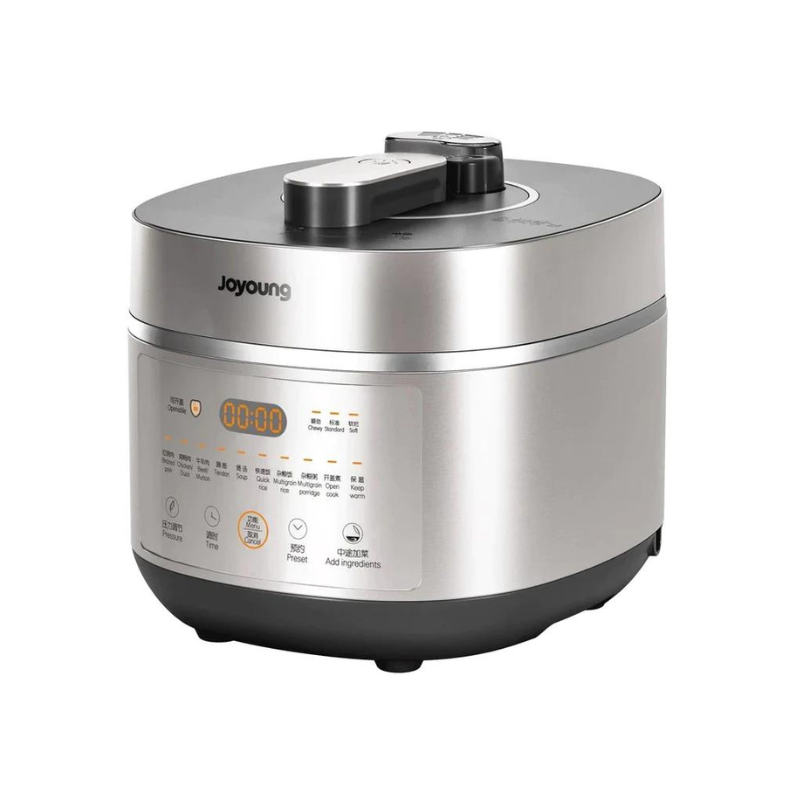
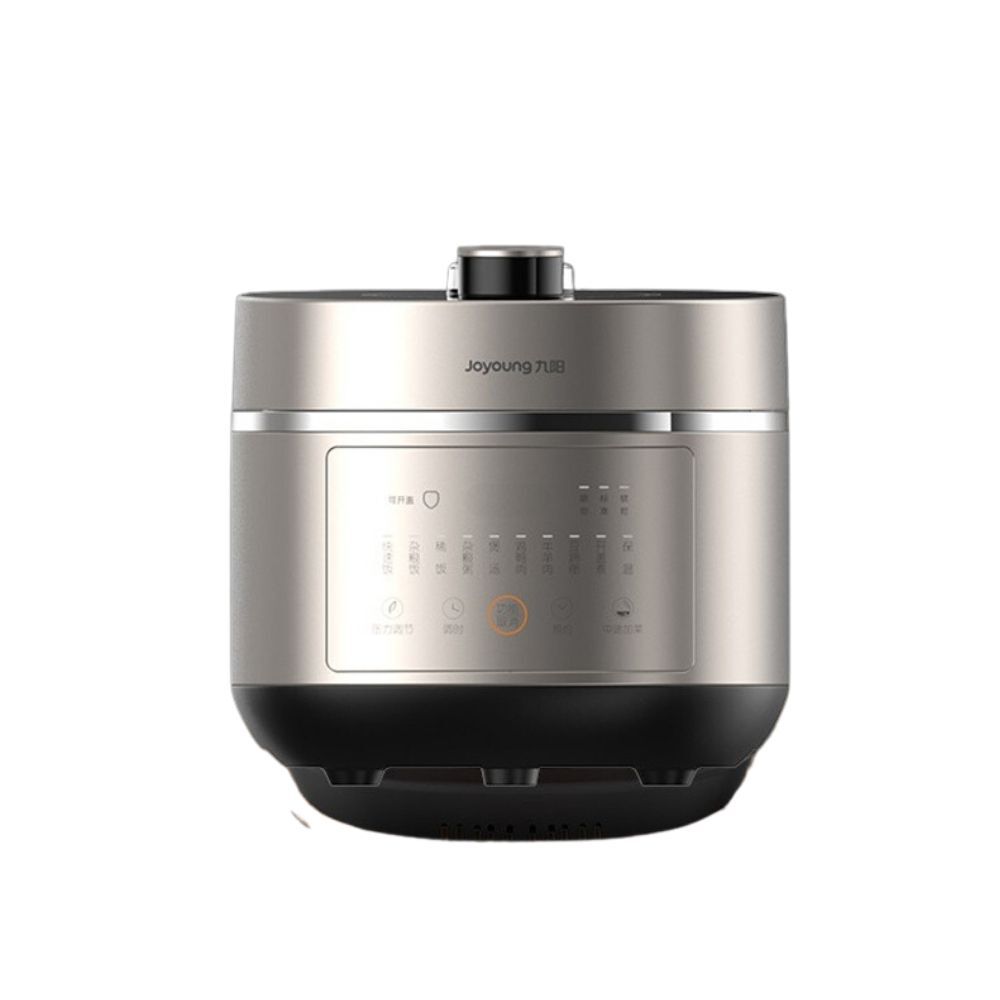
I like our electric pressure cooker range for anyone who wants pressure cooking without babysitting the stove. For a compact option, the Hoper Layer Pressure Cooker 1.6L suits one to two people, with a 500W element and 50-70kPa pressure range that's ideal for small kitchens or apartments. Step up to the SUPOR Electric Pressure Cooker 2L for everyday family cooking, with dedicated programmes for rice, porridge, baby food, and pork ribs, plus a 2 to 24-hour preset so dinner is ready when you walk through the door. For the most control, the Joyoung Electric IH Pressure Cooker 50IHS99 uses induction heating with a 5-stage pressure system and comes with two interchangeable inner pots, including a premium iron pot, so one appliance can handle a wider range of dishes. All three switch to keep-warm automatically once the cycle ends, so you can start dinner and walk away.
Cooking Speed Compared
Stovetop pressure cookers generally reach higher maximum pressure than electric models, which can shave a few minutes off cooking time for dense foods like whole grains or tough cuts of meat. However, electric models make up much of that gap with faster, more consistent pressure build-up, since the heating element is calibrated specifically for the pot rather than relying on whatever burner size you're using. In practice, for most everyday meals, the difference in total time from start to finish is small, often just a few minutes either way.
Factors at a Glance
Cooking speed: Stovetop slightly faster once at full pressure.
Hands-off convenience: Electric wins, fully automated cycle.
Upfront cost: Stovetop models are generally cheaper.
Best for large batches: Stovetop, typically larger capacities available.
Best for beginners: Electric, harder to get pressure levels wrong.
Are Stovetop Pressure Cookers Actually More Dangerous?
This is one of the more persistent myths around pressure cooking, largely left over from older designs decades ago. Modern stovetop pressure cookers sold in Australia include multiple safety mechanisms, including locking lids that won't open under pressure and pressure-release valves, and are held to the same safety standards as electric models. The real difference isn't inherent danger, it's user error risk: stovetop cookers require you to monitor and adjust heat manually, so a distracted cook is more likely to over-pressurise or forget a pot on the stove. Electric models remove that manual step, which is why they're often recommended for beginners, but a well-maintained stovetop pressure cooker used correctly is not meaningfully less safe.
Which One Suits Your Cooking Style
If you're an experienced cook who wants faster results and doesn't mind monitoring the stove, a stovetop pressure cooker will likely suit you better, particularly for large batches of stock, beans, or tough cuts of meat. If you want to start a meal and walk away without checking on it, or you're new to pressure cooking and want built-in safeguards, an electric pressure cooker is the more forgiving choice. Budget also plays a role, stovetop models are generally the more affordable entry point if cost is your main concern.
Comparison Table
| Electric Pressure Cooker | Stovetop Pressure Cooker | |
|---|---|---|
| Monitoring required | Minimal, fully automated | Active heat management |
| Cooking speed | Fast, consistent | Slightly faster at full pressure |
| Best for | Beginners, hands-off cooking | Large batches, experienced cooks |
| Upfront cost | Mid to premium | Generally lower |
Frequently Asked Questions
Can I convert a stovetop pressure cooker recipe for an electric one?
Mostly yes, though electric models often need slightly longer cook times since they typically reach a lower maximum pressure. Checking your specific model's manual for pressure equivalents is worth doing before converting recipes.
Is an electric pressure cooker the same as a multicooker?
Many electric pressure cookers double as multicookers, offering slow cooking, sautéing, and steaming modes alongside pressure cooking. Not all multicookers include a true pressure function, so it's worth checking the specific model.
How long do stovetop pressure cookers last compared to electric ones?
Stovetop pressure cookers, with basic gasket replacement over time, often last longer since they have fewer electronic components to fail. Electric models are generally reliable but, like most appliances with digital controls, have a finite electronic lifespan.
Do I need to buy a separate pressure cooker if I already have a multicooker?
Not necessarily. If your multicooker includes a genuine pressure function rather than just a "quick cook" preset, it should cover most home pressure cooking needs without a dedicated appliance.
As featured in this article


Joyoung Electric IH Pressure Cooker With 2 Inner Pot 50IHS99

SUPOR AU-S5200 2L Electric Pressure Cooker – Australian Version

Tiger IH Pressure Rice Cooker JPK-G10A 5.5 Cups

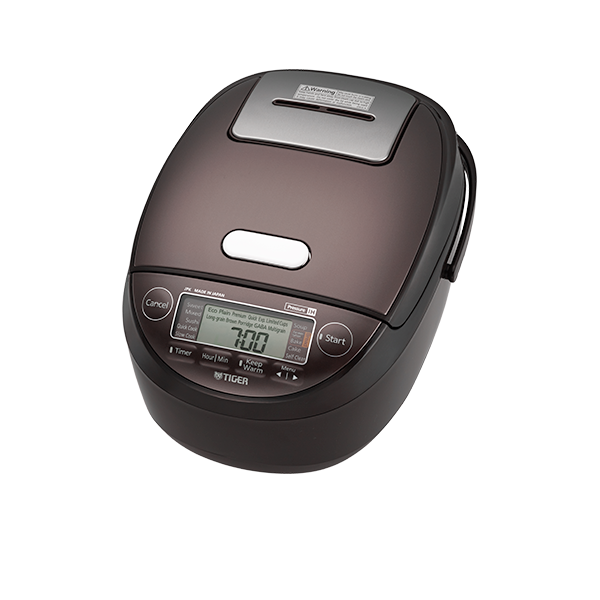
TIger IH Pressure Rice Cooker JPK-G18A 10 Cups
More Pressure Cookers


SUPOR AU-S5200 2L Electric Pressure Cooker – Australian Version
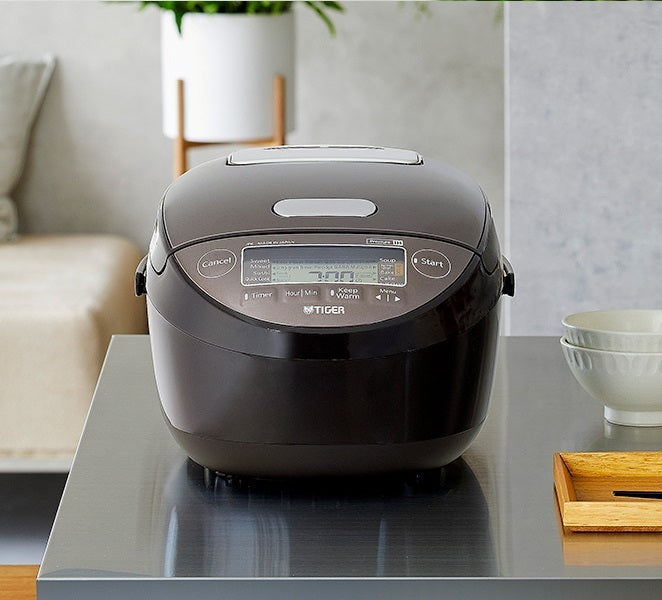
TIger IH Pressure Rice Cooker JPK-G18A 10 Cups
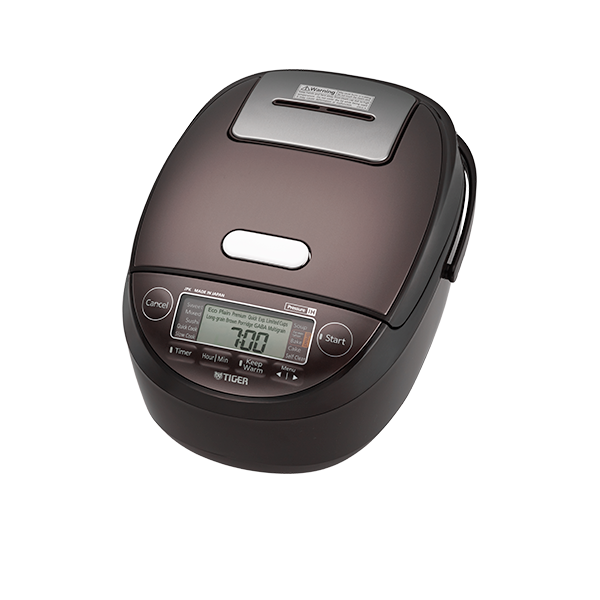
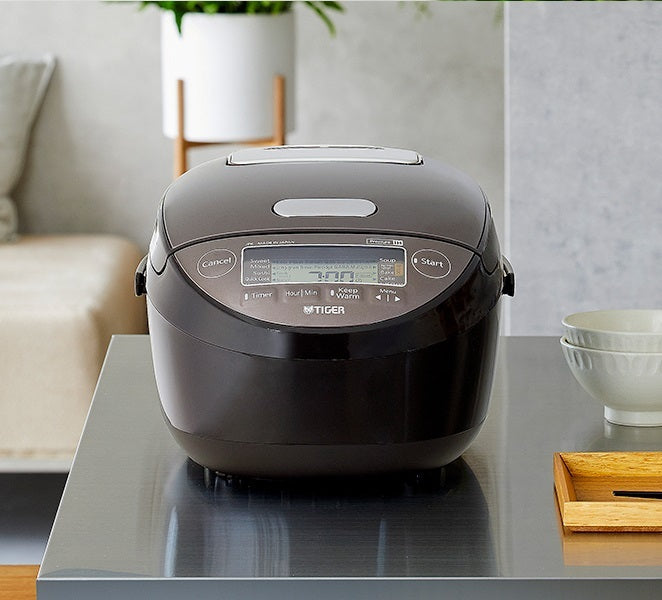
Tiger IH Pressure Rice Cooker JPK-G10A 5.5 Cups