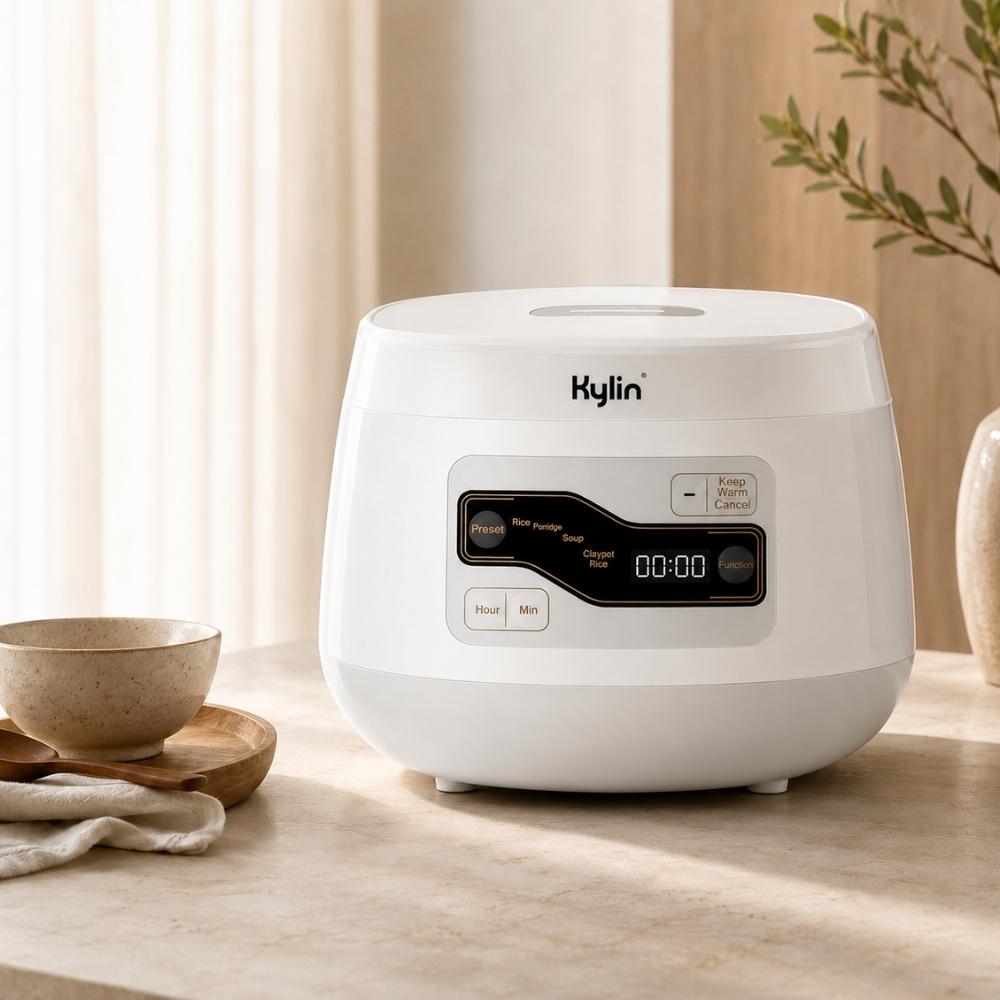
Kylin Ceramic Rice Cooker Review: Is It Worth Buying in Australia?

An honest look at the four-model lineup before you decide.
If you've landed here, you're probably trying to figure out whether a Kylin ceramic rice cooker is actually worth the money, or just another appliance marketed as "healthy" without much substance behind it. Fair question. Let's go through what these things actually offer.
Kylin makes four ceramic rice cooker models, ranging from a compact 3 cup right up to an 8 cup family-sized unit. All of them share the same core idea: a fully ceramic inner pot with no PTFE, no PFOA, and no synthetic coating of any kind. Not a ceramic-coated metal pot dressed up to sound healthier. An actual ceramic pot.
Here's what that means in practice, and whether it's the right call for your kitchen.
What Makes It Different from a Standard Rice Cooker
Most rice cookers on the market use a non-stick coated aluminium pot. It works well when it's new, but coatings degrade with use. Scratches happen. Coating starts to flake. At that point most people either keep using a pot they're not entirely comfortable with, or they throw out an otherwise functional appliance because the pot has worn out.
Kylin sidesteps that whole problem by not using a coating at all. The inner pot is ceramic, full stop. There's nothing to peel because there's no layer sitting on top of the ceramic to begin with. That's the entire pitch, and it's a genuinely sound one if you've been wanting to move away from non-stick coatings without overthinking it.
Does Ceramic Actually Cook Rice Better?
This is where it gets interesting beyond just the health angle. Ceramic distributes heat more evenly than metal. It holds onto heat longer too. The practical result is rice that cooks more consistently from edge to centre, without the slightly drier rim and stickier centre you sometimes get from a standard metal pot.
It's a similar principle to traditional clay pot cooking, just automated. If you've ever had rice cooked in an actual clay pot and noticed it tasted a bit better than usual, that's roughly the same effect happening here, minus the need to watch a flame.
Going Through the Four Sizes
Kylin AU-K1012 — 3 Cup (1.2L)
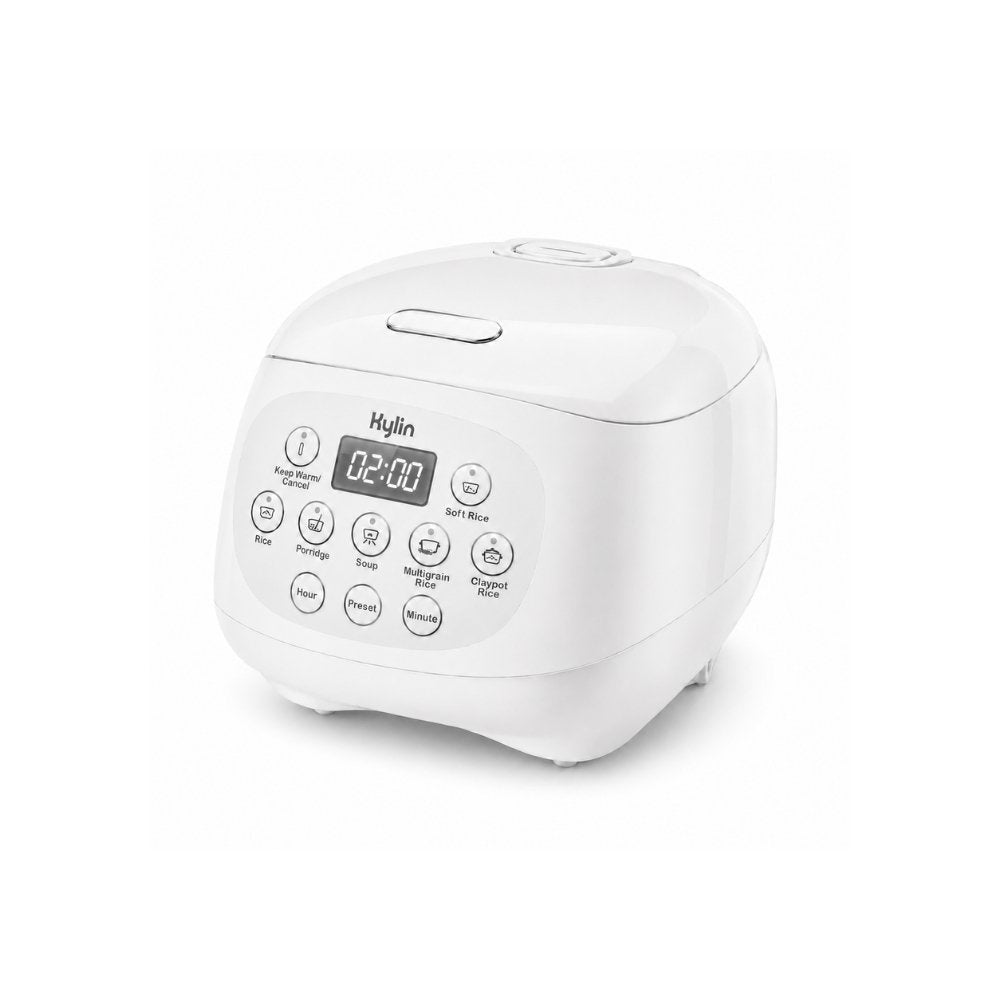
The smallest in the range and the most affordable starting point. Suits singles, couples, or anyone who doesn't need to cook large batches of rice regularly. It's currently one of the best sellers in the ceramic range, which makes sense given the price point and the fact that most households genuinely don't need more than this size for everyday cooking.
Kylin AU-K1020 — 4 Cup (2L)
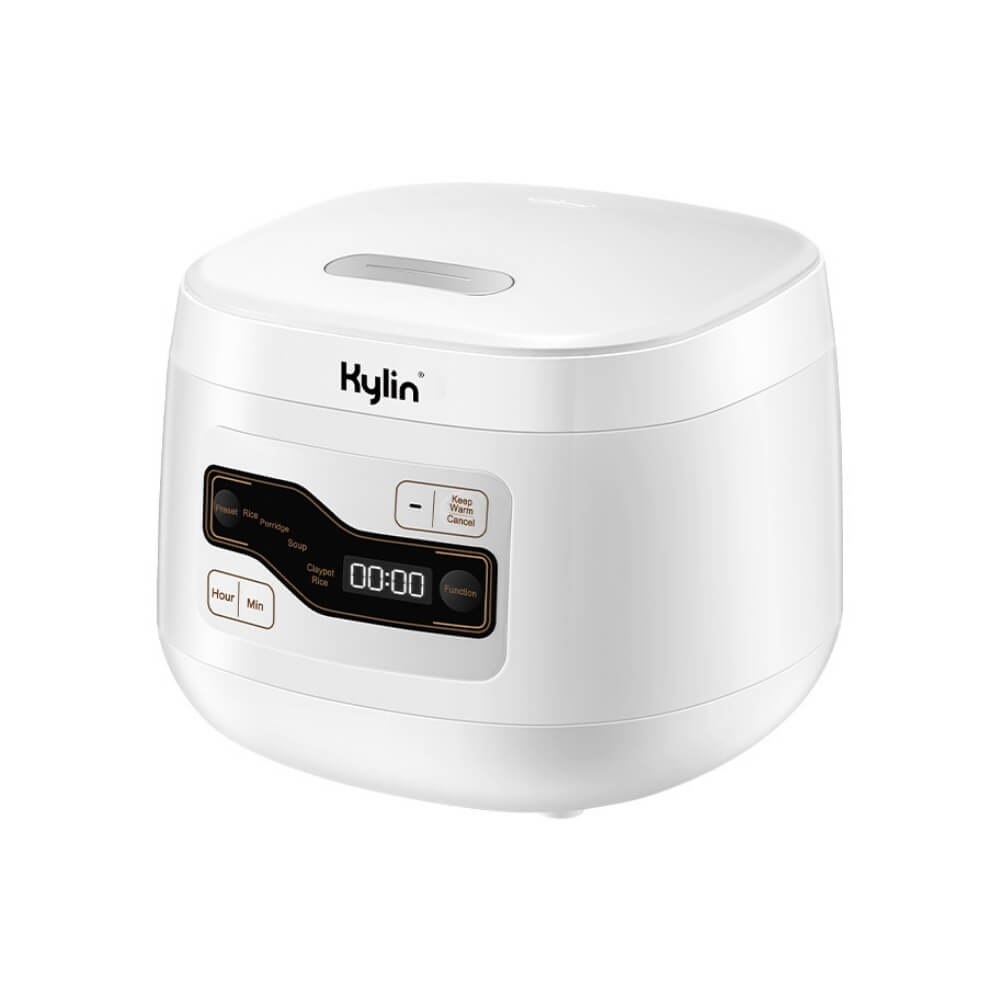
A step up in capacity without being a huge jump. This sits in a comfortable middle ground for small families or anyone who likes a bit of buffer for leftovers or meal prep. Also a best seller, which says something about how many households land right in this size bracket.
Kylin AU-K1030 — 6 Cup (3L)
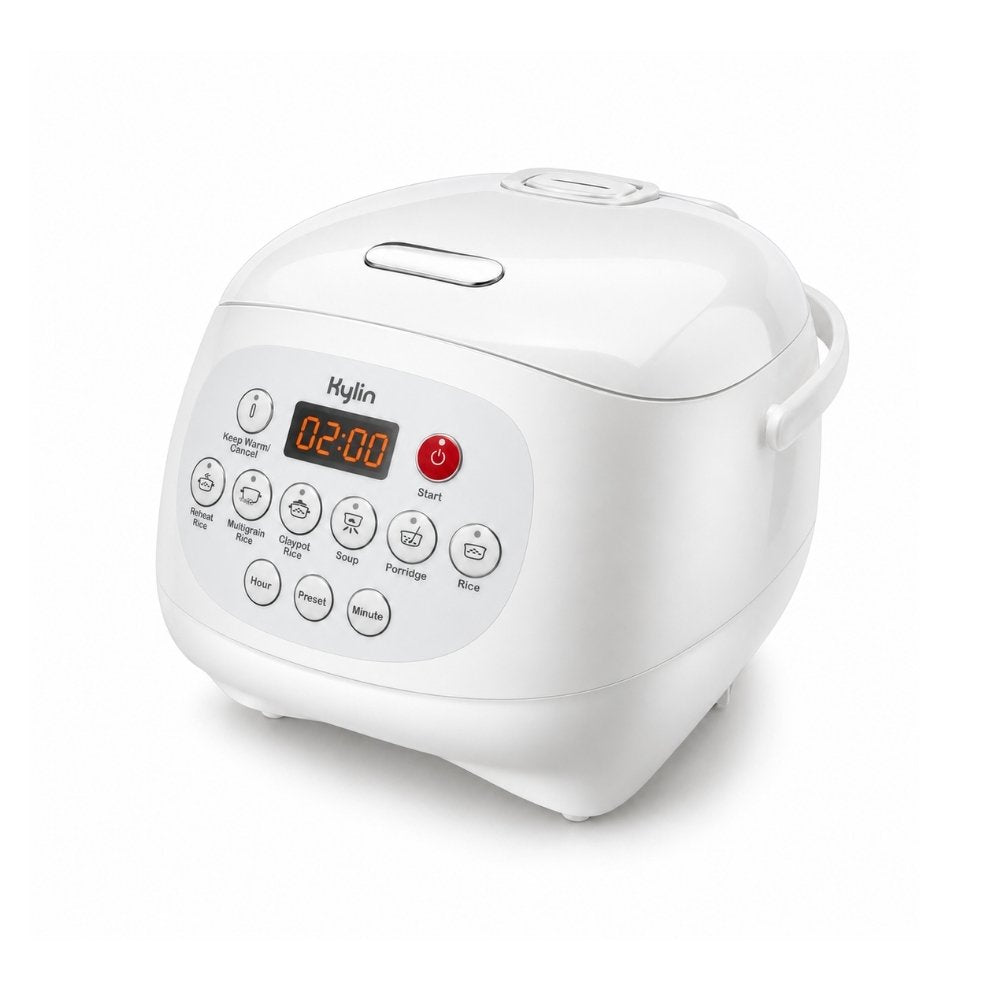
The size most families end up needing once there are three or more people regularly eating rice. This is the one most commonly recommended for a standard family setup, and it's reflected in the sales numbers too.
Kylin AU-K1040 — 8 Cup (4L)
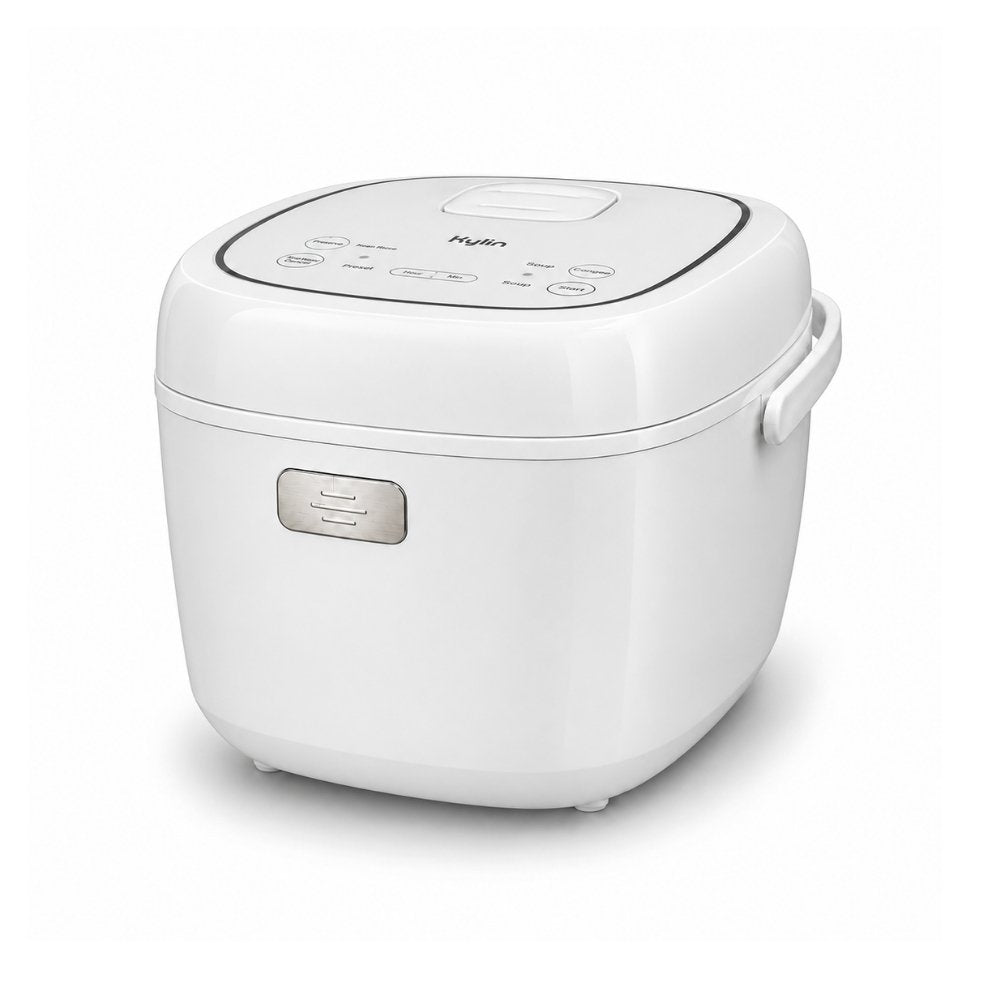
The largest in the lineup, built for bigger households or anyone who cooks in bulk and wants rice ready to go for multiple meals. If you're regularly cooking for five or more people, or you like batch cooking on weekends, this is the sensible choice rather than running a smaller unit twice.
What You Actually Get with Cooking Functions
All four models include multiple cooking modes beyond just white rice. Multigrain, porridge, congee, soup, and claypot rice settings are standard across the range, along with automatic keep-warm once the cooking cycle finishes. So you're not just buying a one-trick rice cooker. It handles a reasonable spread of everyday cooking without much extra thought required.
The One Thing to Be Careful About
Worth flagging clearly: not every "ceramic" rice cooker on the market is what it claims to be. Some products use a metal pot with a ceramic-style coating sprayed on top, which is a completely different thing and comes with the exact same degradation problem as standard non-stick. Kylin's pots are fully ceramic, not coated, and that distinction matters more than the marketing usually makes clear. If you're comparing options anywhere else, it's worth checking specifically whether the pot is solid ceramic or just ceramic-coated metal.
What About When the Pot Wears Out?
Ceramic is more durable against chemical degradation than coated non-stick, but it's not indestructible. If it gets chipped or cracked from being dropped or knocked around, replacement inner pots are available for the 3 cup, 4 cup, and 6 cup models. That's a meaningful point in Kylin's favour, since it means a damaged pot doesn't mean buying a whole new appliance.
So, Is It Worth Buying?
If you're trying to move away from non-stick coatings and want something that's genuinely coating-free rather than just marketed that way, yes. The Kylin range delivers on the core promise. The price point is reasonable across all four sizes, the cooking functions go beyond basic rice, and the option to replace just the inner pot if it gets damaged adds some long-term value that a lot of competitors don't offer.
The main thing to get right is choosing the correct size for your household. Buying too small means you'll outgrow it quickly. Buying too large for one or two people just means more bench space taken up than necessary. Match the cup size to how many people you're actually cooking for and you'll get good use out of it for years.
Ready to compare the range?
Browse the full Kylin ceramic rice cooker collection at Hello Kitchen to see current pricing and availability across all four sizes.
As featured in this article

Kylin Electric No Coating Ceramic 3 Cup Mini Rice Cooker 1.2L AU-K1012

Kylin Electric No Coating Ceramic 4 Cups Rice Cooker 2L White AU-K1020

Kylin Electric No Coating Non-stick Healthy Ceramic Rice Cooker in 6 Cups 3L AU-K1030

Kylin Electric Multi-Function Non Coating Ceramic 8 Cups Rice Cooker 4L AU-K1040
More Kylin Rice Cooker


Kylin Electric No Coating Non-stick Healthy Ceramic Rice Cooker in 6 Cups 3L AU-K1030

Kylin Electric No Coating Ceramic 3 Cup Mini Rice Cooker 1.2L AU-K1012


Kylin Electric No Coating Ceramic 4 Cups Rice Cooker 2L White AU-K1020