What Can You Cook in an Electric Pressure Cooker?

The honest answer is: an electric pressure cooker handles rice, grains, tough meat cuts, soups, stews, and even baby food and desserts, but it's not the right tool for anything that needs a crisp or browned surface, since it cooks with trapped steam rather than dry heat.
Jump to a Section
- What an Electric Pressure Cooker Does Well
- Our Picks: Electric Pressure Cookers
- Cooking Meat and Tough Cuts
- Factors at a Glance
- Can You Actually Get a Sear or Crispy Skin?
- What to Cook Based on Your Household
- Cook Time Reference Table
What an Electric Pressure Cooker Does Well
Electric pressure cookers excel at anything that benefits from moist, high-pressure heat: grains, legumes, tougher cuts of meat, and dishes with plenty of liquid. Rice and porridge cook quickly and evenly thanks to dedicated presets on most models. Dried beans and chickpeas, which normally need hours of soaking and simmering, cook through in a fraction of the time without pre-soaking on many models. Soups, stews, and bone broth all benefit from the sealed, pressurised environment, which extracts more flavour and nutrients from bones and tougher ingredients than standard stovetop simmering.
Our Picks: Electric Pressure Cookers
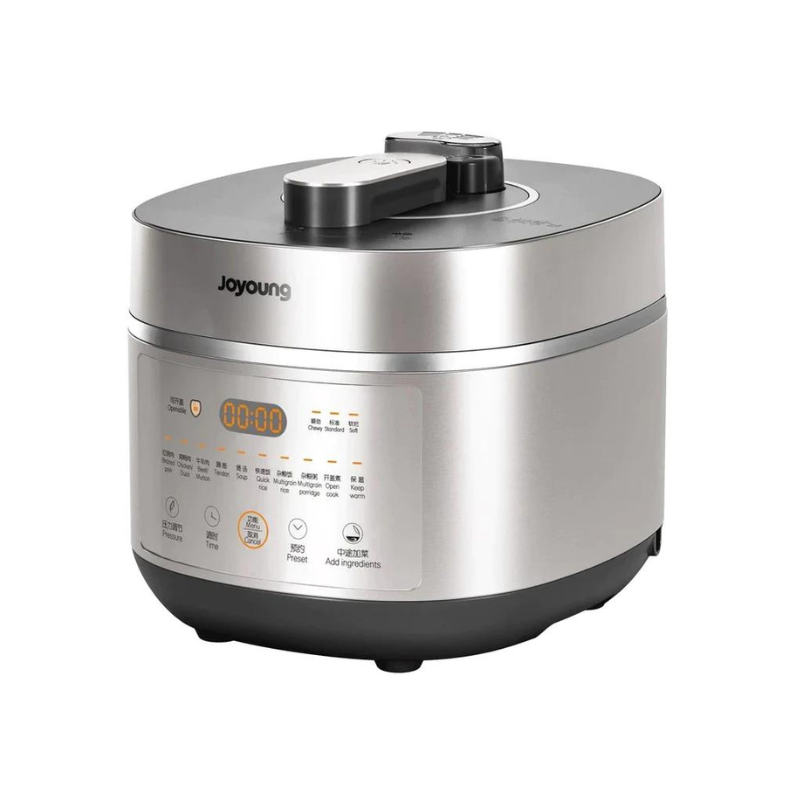
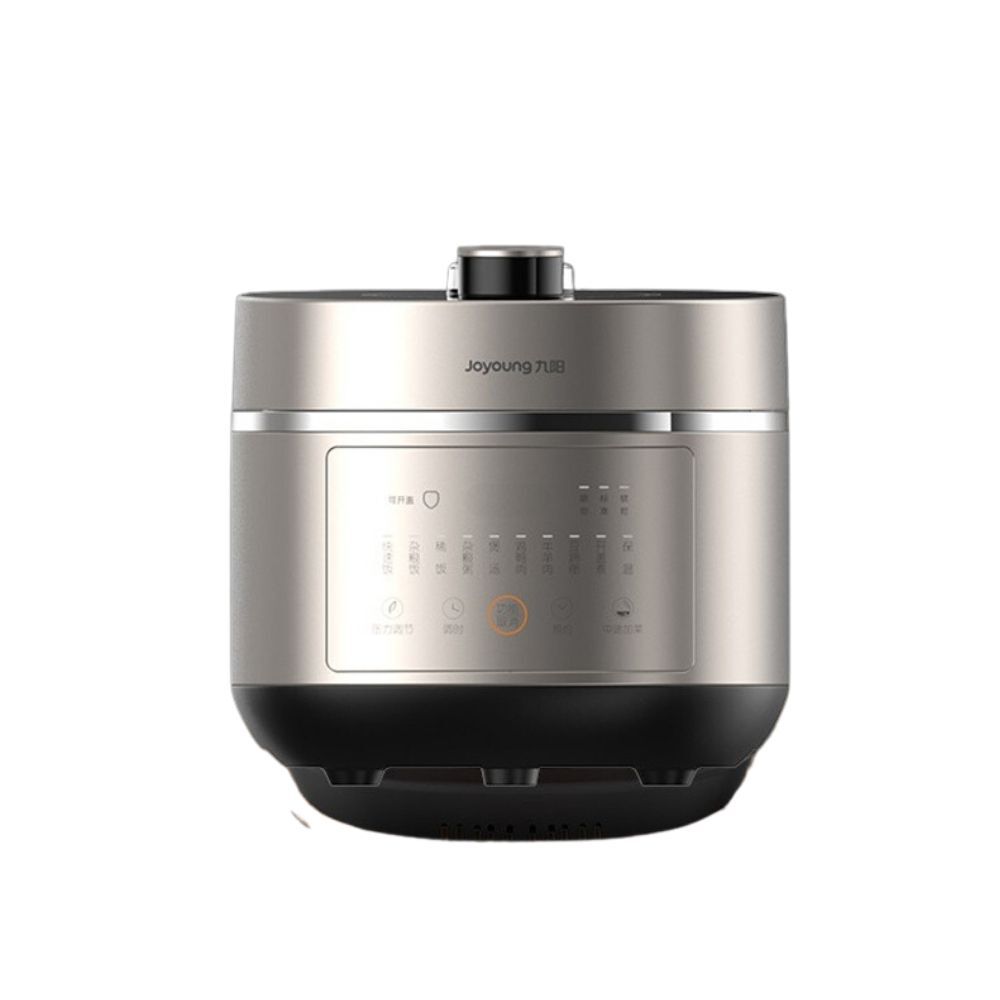
For everyday family meals, the SUPOR Electric Pressure Cooker 2L comes with dedicated programmes for rice, multigrain rice, porridge, baby food, pork ribs, poultry, and beef or lamb, so most common household meals have a preset built in rather than requiring manual timing. If you're cooking for one or two, the Hoper Layer Pressure Cooker 1.6L is a compact option that still handles rice, porridge, soup, and stew comfortably. For households that cook a wider variety of dishes and want more flexibility, the Joyoung Electric IH Pressure Cooker 50IHS99 includes two interchangeable inner pots, including an iron pot, plus a 5-stage pressure system with 9 cooking functions, giving you finer control over texture depending on what you're making.
Cooking Meat and Tough Cuts
This is where electric pressure cookers genuinely outperform most other appliances. Cuts like beef brisket, lamb shoulder, or pork ribs, which typically need hours of slow cooking to break down connective tissue, cook through in well under an hour under pressure while staying just as tender. The SUPOR's dedicated pork ribs and beef/lamb programmes take the guesswork out of timing for these specific cuts, adjusting pressure and duration automatically based on the preset selected. Whole chickens and larger cuts generally need to be cut down to fit most standard-sized pots, which is worth checking against your model's capacity before planning a recipe.
Factors at a Glance
Cooks well: Rice, grains, legumes, soups, stews, tough meat cuts, bone broth.
Cooks acceptably: Root vegetables, desserts like cheesecake or rice pudding, baby food.
Doesn't do well: Anything needing a crisp, browned, or seared surface.
Time savings: Most significant on dried beans and tough meat cuts.
Best beginner dish: A simple rice and vegetable one-pot meal.
Can You Actually Get a Sear or Crispy Skin?
Not from the pressure cooking function itself. A common assumption is that a pressure cooker can replicate a stovetop sear or an oven's crisping effect, but pressure cooking works by trapping steam, which keeps food moist rather than drying and browning its surface. Some electric pressure cookers include a separate sauté or browning function that uses the same heating element without the lid sealed, which can achieve a reasonable sear before you add liquid and switch to pressure mode. If your model doesn't have this function, browning meat in a separate pan first, then transferring it to the pressure cooker, is the more reliable way to get that texture. Expecting the pressure cycle alone to produce crispy skin or a browned crust will lead to disappointment, it's simply not what the appliance is built to do.
What to Cook Based on Your Household
If you're cooking for one or two people and want quick, simple meals, rice, porridge, and small soups are the easiest starting point on a compact model like the Hoper Layer. If you're feeding a family and want to save time on weeknight meals, the SUPOR's preset programmes for ribs, poultry, and beef make planning dinner far more predictable. If you have a baby or toddler at home, dedicated baby food programmes cook at a gentler pressure setting specifically designed for soft, thoroughly cooked purées. For households that cook a wide variety of cuisines and want more control over texture, a model with multiple inner pots and finer pressure staging, like the Joyoung, gives you the flexibility to adjust results dish by dish.
Cook Time Reference Table
| Food | Approx. Pressure Cook Time |
|---|---|
| White rice | 8-10 minutes |
| Dried chickpeas (no soak) | 35-40 minutes |
| Beef brisket or shoulder | 45-60 minutes |
| Pork ribs | 25-30 minutes |
| Bone broth | 2-3 hours |
| Root vegetables | 5-8 minutes |
Frequently Asked Questions
Can I bake a cake in an electric pressure cooker?
Yes, dense, moist bakes like cheesecake or rice pudding work well, since the trapped steam suits that texture. Light, dry-textured cakes that rely on oven browning won't turn out the same way.
Do I need to adjust liquid amounts for pressure cooking?
Yes, pressure cookers need a minimum amount of liquid to build steam and pressure, but since very little evaporates during cooking, most recipes need less liquid than a stovetop or oven version of the same dish.
Is it safe to cook baby food in a pressure cooker?
Yes, models with a dedicated baby food setting use a gentler pressure specifically calibrated to produce soft, thoroughly cooked purées that are safe for young children.
Can I cook frozen meat directly in an electric pressure cooker?
Generally yes, since pressure cooking can safely bring frozen meat through the temperature danger zone faster than slow cooking can. Cook times will need to be extended compared to fresh or thawed meat.
As featured in this article

SUPOR AU-S5200 2L Electric Pressure Cooker – Australian Version

Joyoung Electric IH Pressure Cooker With 2 Inner Pot 50IHS99

More Pressure Cookers


SUPOR AU-S5200 2L Electric Pressure Cooker – Australian Version
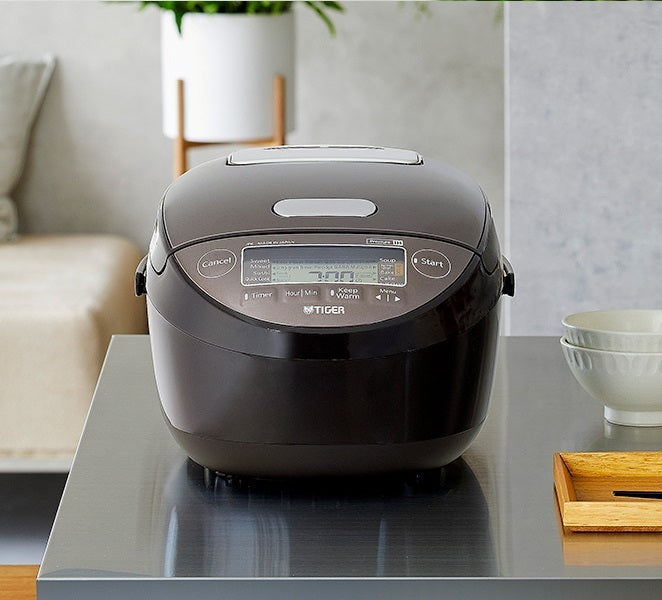
TIger IH Pressure Rice Cooker JPK-G18A 10 Cups
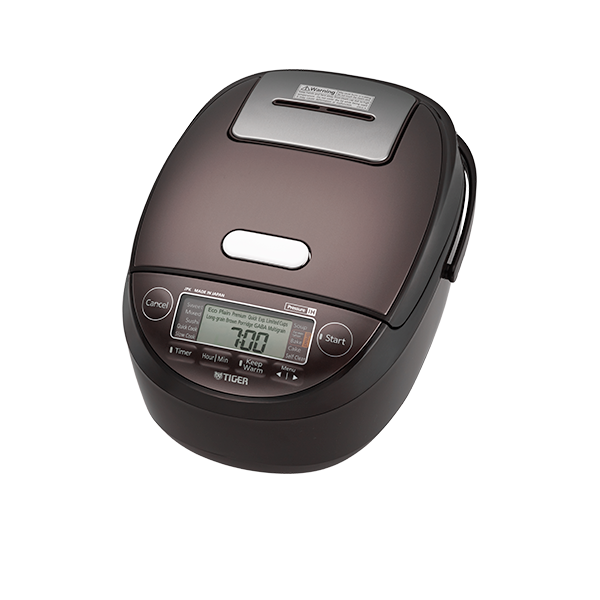
Tiger IH Pressure Rice Cooker JPK-G10A 5.5 Cups