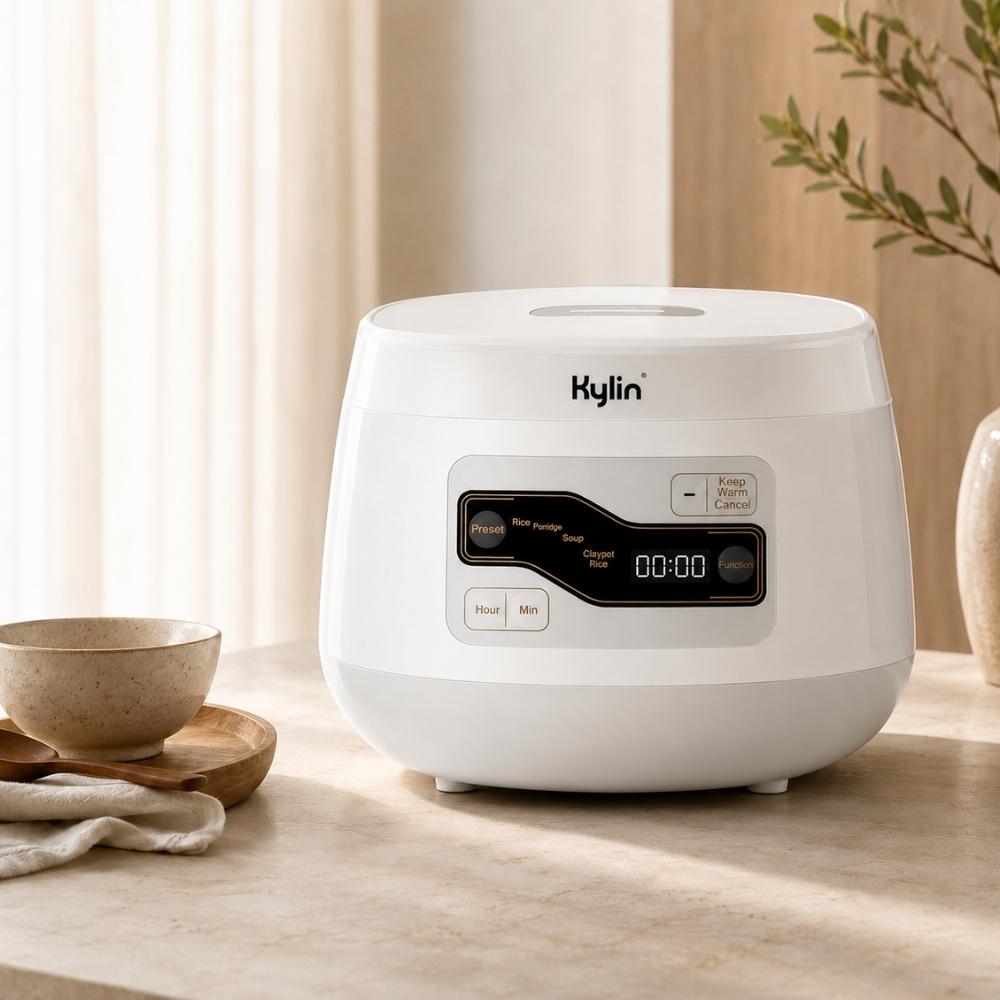
What Kind of Rice Cooker Do You Actually Need?

Most people overthink rice cooker shopping by comparing brands before settling two much simpler questions: how many people you're cooking for, and whether you want a non-stick coating at all. Get those two right, and everything else is easy to narrow down.
In this guide:
How Much Rice Do You Actually Cook?
Rice cooker capacity is usually listed in cups, where 1 cup is roughly 180ml of uncooked rice, yielding about two adult servings of cooked rice. A 2 to 3 cup rice cooker suits one or two people eating rice a few times a week. A 4 to 6 cup model fits a small family or a couple who cook rice most nights and want leftovers. Anything from 8 cups upward is built for larger households, batch cooking, or families who regularly host. It's worth sizing slightly above your daily need rather than at the exact minimum, since rice cookers work best when the pot isn't filled right to the maximum line.
Capacity at a Glance
| 2–3 cups | 1–2 people |
| 4–6 cups | Small family or couple, cooking most nights |
| 8 cups+ | Larger households, batch cooking, hosting guests |
Ceramic, Stainless Steel or Non-Stick Coating?
Inner pot material is the second big decision, and it's one we've covered in more depth in our ceramic vs stainless steel rice cooker comparison, so we'll keep this section brief. Ceramic inner pots are coating-free by design, which is why they're often marketed as "non-Teflon" rice cookers, and they tend to be easier to wipe clean without worrying about a coating wearing down over time. Stainless steel pots are also coating-free and generally more durable against scratches from metal utensils, though they can be slightly less forgiving if rice sticks to the base. Traditional non-stick coated pots are still common and convenient, but some households prefer to avoid the coating altogether, which is the main reason ceramic and stainless steel options have grown in popularity in Australia.
Basic Warmer or Multi-Function Cooker?
Beyond capacity and material, the next question is how much you actually want the appliance to do. A basic rice cooker with a simple cook-and-keep-warm function suits anyone who mainly wants consistent rice with no fuss. Multi-function models add features like delayed start timers, porridge or soup settings, and steaming trays, which suit people who use the appliance for more than just rice, or who want to set it going before leaving for work. Fuzzy logic or induction heating (IH) models sit at the higher end and are worth it mainly for households that are particular about texture consistency across different rice types, rather than for casual daily use.
If You're Choosing Based on Priorities
If you're not sure which factor should decide it, it helps to work from what you care about most rather than trying to find one "best" option:
| Want to avoid non-stick coatings | Choose ceramic or stainless steel |
| Cooking for one or two people | A 2 to 3 cup model is enough |
| Cooking for a family or hosting often | Look at 8 cups or above |
| Want porridge, soup or steaming too | A multi-function model is worth it |
| Just want reliable everyday rice | A basic ceramic or stainless steel model covers it |
Frequently Asked Questions
What size rice cooker do I need for a family of four?
A 4 to 6 cup rice cooker is usually enough for a family of four eating rice several times a week, though a household that regularly cooks rice for guests or meal preps in bulk may prefer an 8 cup model for more flexibility.
Is a ceramic rice cooker better than a non-stick one?
Neither is objectively better, but they suit different priorities. Ceramic inner pots are coating-free and tend to hold up well over years of use, while traditional non-stick coatings can be more convenient for quick cleanup but may wear down over time.
Do I need a multi-function rice cooker?
Only if you plan to use it for more than rice. If you mainly want consistent everyday rice, a basic model with a keep-warm function is enough. Multi-function models make more sense if you also want to steam vegetables, cook porridge or use a delayed start timer.
Once you've settled on a capacity range and inner pot material, the rest comes down to personal preference on features and budget. If you'd like to compare current options side by side, our rice cooker collection is organised by these same categories, including ceramic and stainless steel inner pot models across a range of sizes.
As featured in this article

Hoper Layer Electric Stainless Steel Rice Cooker 3L


Joyoung Electric IH Pressure Cooker With 2 Inner Pot 50IHS99

Kylin Ceramic Rice Cooker Inner Lid (K1012/K1020/K1030/K1040)

Kylin Electric Mini Multi-Function Rice Cooker 2 cups AU-K6612 Beige
More Rice Cookers


Kylin Electric No Coating Non-stick Healthy Ceramic Rice Cooker in 6 Cups 3L AU-K1030


SUPOR AU-S2300 3L IH Electric Stainless Steel Rice Cooker – Australian Version


TATUNG TAC-11RM 11-Cup Stainless Steel Rice Cooker
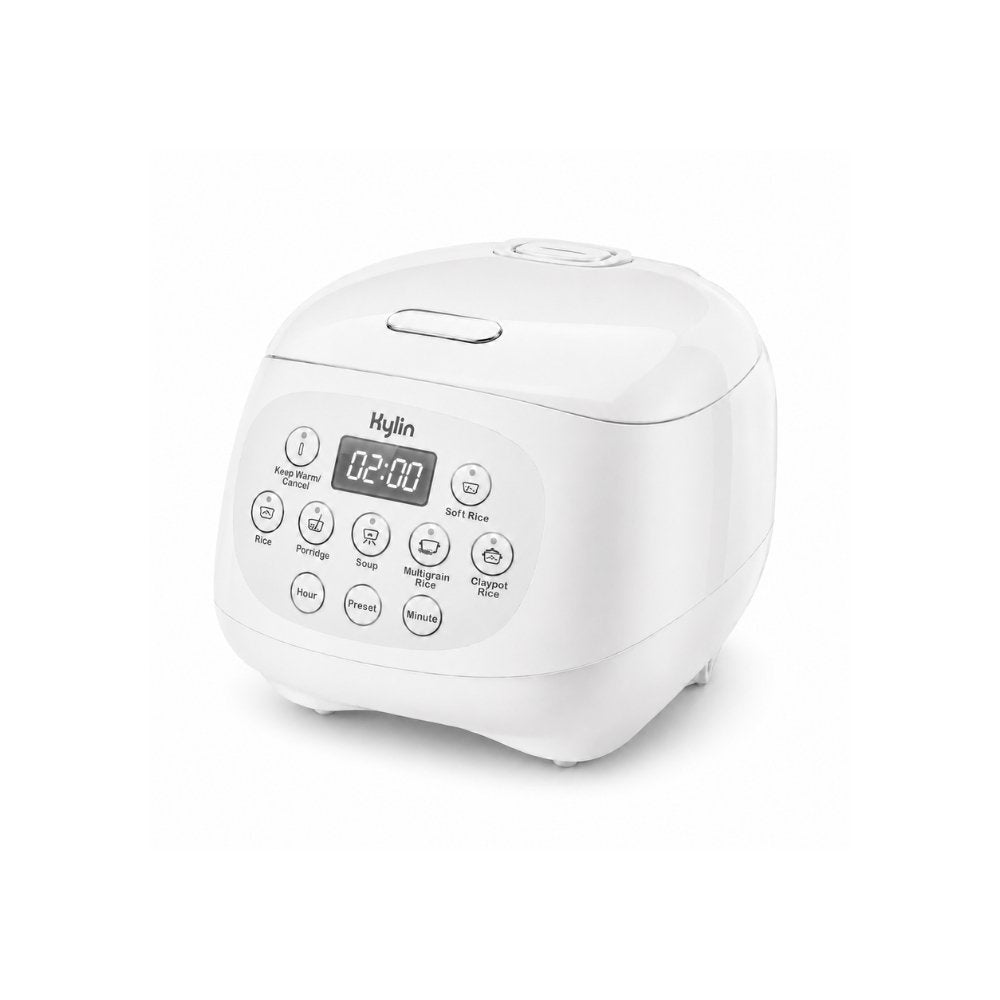

Kylin Electric No Coating Ceramic 3 Cup Mini Rice Cooker 1.2L AU-K1012


Kylin Electric Multi-Function Non Coating Ceramic 8 Cups Rice Cooker 4L AU-K1040


Kylin Electric Mini Multi-Function Rice Cooker 2 cups AU-K6612 Beige


TATUNG TAC-06RM 6-Cup Stainless Steel Rice Cooker