How to Use a Slow Cooker: A Beginner's Guide for Australian Homes

The honest answer is: a slow cooker is genuinely one of the easiest appliances to use well, and most beginner mistakes come down to just two things, using the wrong liquid amount and opening the lid too often. Get those right and the rest is close to foolproof.
The Basics of Slow Cooking
A slow cooker works by holding food at a low, steady temperature for several hours, which breaks down tougher cuts of meat and melds flavours together in a way that quick cooking can't replicate. Most recipes follow the same basic pattern: brown any meat first if the recipe calls for it, add your ingredients and liquid to the ceramic or non-stick pot, set your temperature and time, and leave it alone until it's done.
Our Pick: Kylin Multi-Function Slow Cooker
I like the Kylin Multi-Function Slow Cooker for beginners because it keeps the controls simple: low, high, and warm, with a timer that automatically switches to warm once cooking finishes. That last feature matters more than it sounds, since it means you can leave the house for work and not come home to overcooked food. Browse our slow cooker range to compare capacities and features.

Understanding Low, High, and Warm Settings
Low and high settings reach the same final temperature; the difference is how long it takes to get there. Low is best for tougher cuts like beef chuck or lamb shoulder that need time to break down connective tissue, typically 7 to 8 hours. High cooks the same dish in roughly half the time but suits dishes that don't rely on long, slow breakdown, like soups or stews with pre-tenderised meat. Warm is not a cooking setting; it's designed to hold already-cooked food at a safe serving temperature, not to finish cooking anything.
Factors at a Glance
Best for tough cuts: Low setting, 7-8 hours.
Best for short timeframes: High setting, 3-4 hours.
Liquid rule: Use less than a stovetop recipe calls for, since slow cookers don't lose moisture to evaporation.
Lid rule: Keep it closed; each peek adds 15-20 minutes to the cooking time.
Warm setting: For holding food, not cooking it.
Does Lifting the Lid Really Ruin Dinner?
It won't ruin the meal outright, but it does cost you real time. Slow cookers rely on trapped steam and a sealed environment to maintain a steady internal temperature. Every time the lid comes off, that heat escapes and the pot needs time to recover it, commonly adding 15 to 20 minutes back onto the total cooking time per peek. If you're checking on dinner three or four times during the day out of habit, you could be adding over an hour to the total cook time without realising it. The fix is simple: trust the timer and resist checking unless the recipe specifically calls for stirring partway through.
What to Cook Based on Your Schedule
If you're out of the house for a full workday, choose a low-setting recipe with a tougher cut of meat, like a beef casserole or pulled pork, so it's ready and holding on warm by the time you're home. If you're cooking on a weekend and want dinner sooner, a high-setting recipe like a chicken and vegetable stew will get you there in a few hours. For anyone new to slow cooking, starting with a simple one-pot dish, like a basic beef stew, is the easiest way to get a feel for timing before attempting more complex recipes.
Cooking Time Reference Table
| Dish Type | Low Setting | High Setting |
|---|---|---|
| Tough cuts (chuck, shoulder) | 7-8 hours | 4-5 hours |
| Soups and stews | 6-7 hours | 3-4 hours |
| Chicken pieces | 6 hours | 3 hours |
| Root vegetables | 6-8 hours | 3-4 hours |
Frequently Asked Questions
Do I need to brown meat before adding it to a slow cooker?
It's not strictly necessary, but browning first adds noticeably more flavour through caramelisation. If you're short on time, most dishes will still turn out well without this step.
Can I put frozen meat straight into a slow cooker?
It's generally not recommended, since frozen meat can spend too long in the temperature danger zone before the slow cooker heats through it. Thawing meat in the fridge first is the safer approach.
Why is my slow cooker dish too watery?
Slow cookers don't lose liquid to evaporation the way stovetop cooking does, so recipes converted from stovetop methods often need less liquid than originally stated. Reducing the liquid by about a third is a good starting point.
Is it safe to leave a slow cooker running while I'm out of the house?
Yes, this is one of the main appeals of slow cooking. Slow cookers are designed for long, unattended cooking, and most models automatically switch to a warm setting once the timer ends.
As featured in this article

Kylin Electric Multi Stew Slow Cooker 0.7L AU-K1007

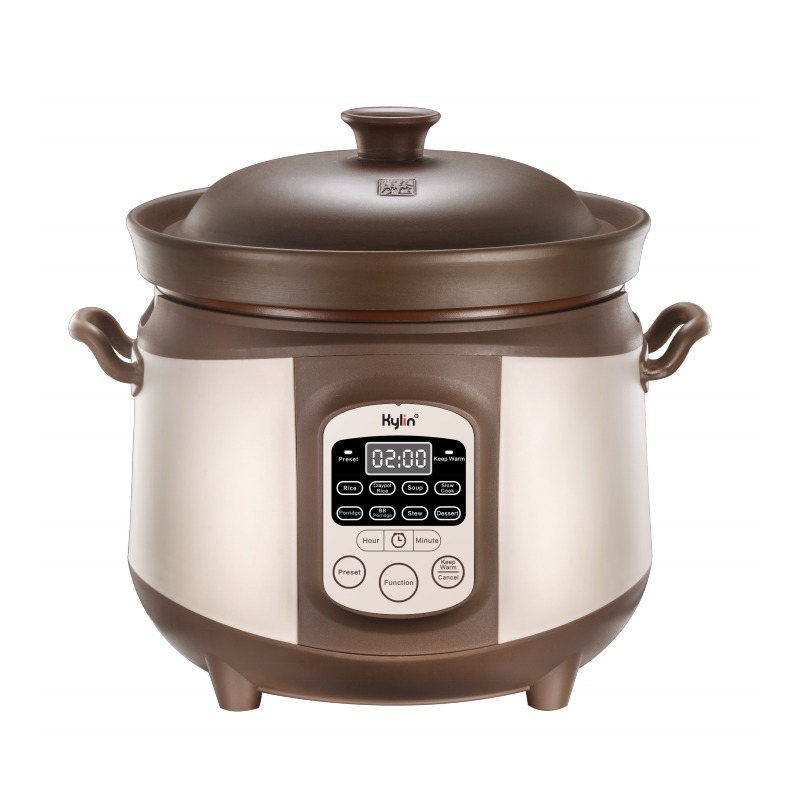
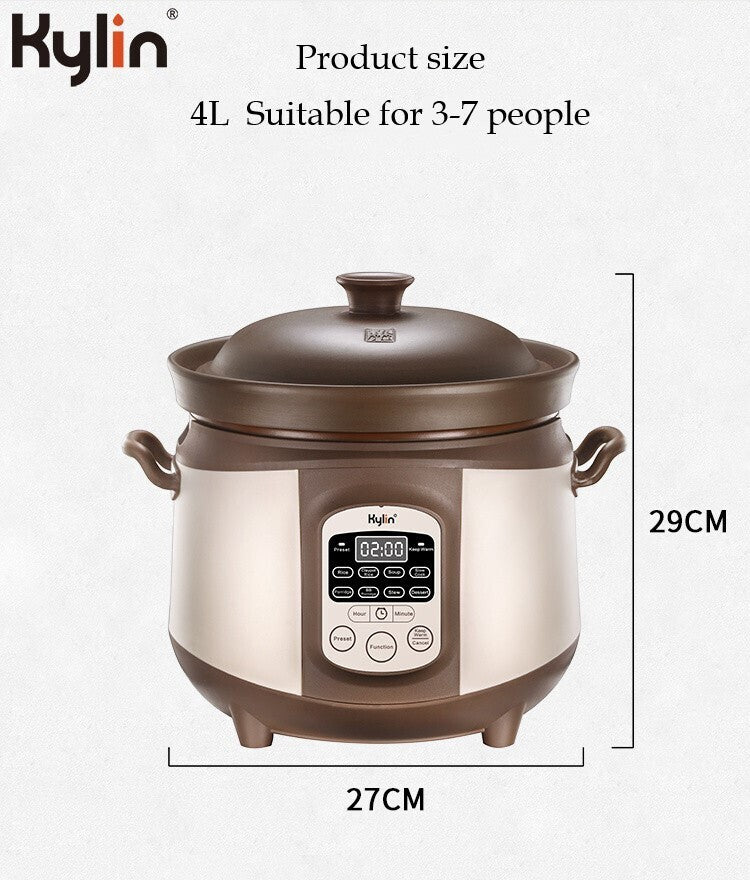
Kylin Electric Purple Clay Pot Slow Cooker 4L - K2022

Kylin Electric Purple Clay Pot Slow Cooker 5L - K2021

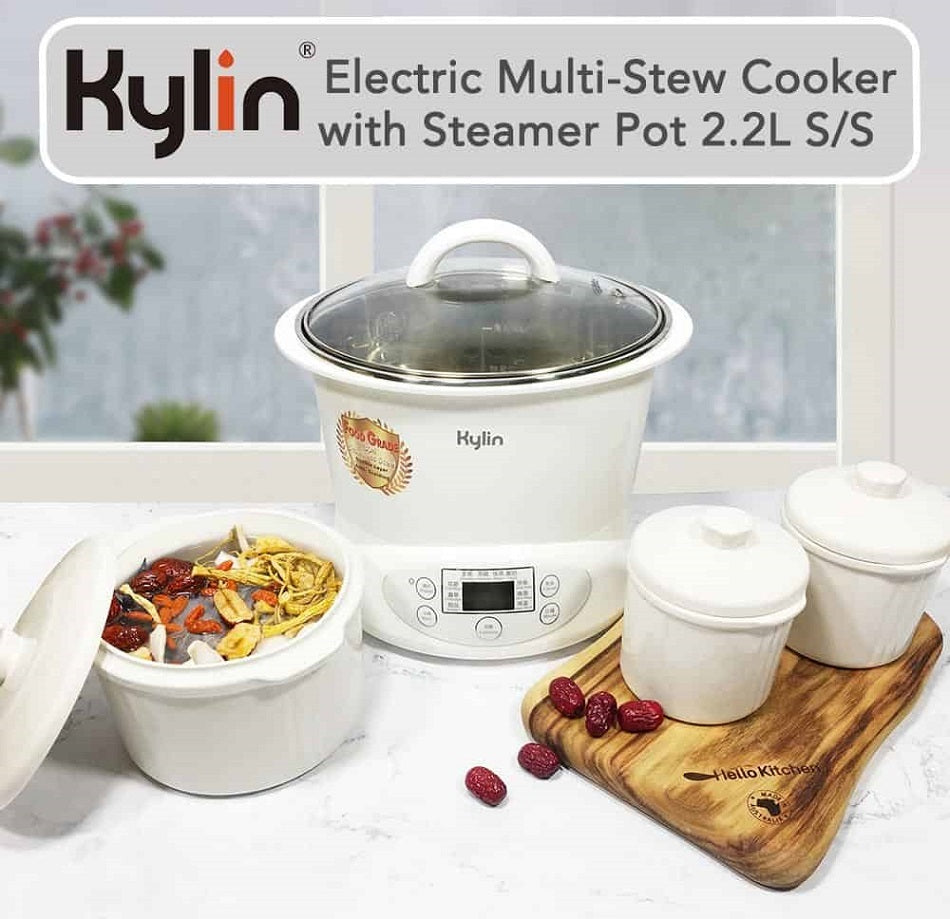
Kylin Electric Slow Cooker Stainless Steel Ceramic Pot Steamer 2.2L With 3 Containers AU-K1022
More Slow Cookers & Multicookers


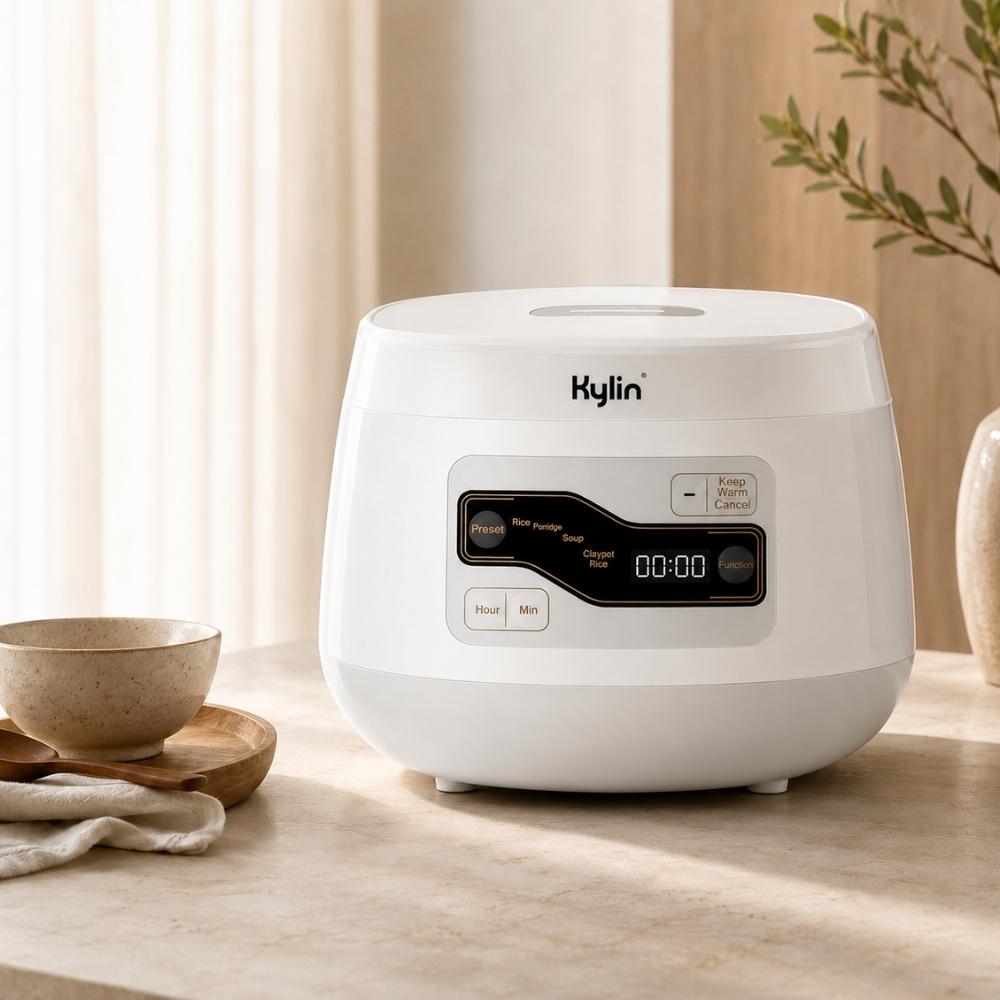
Kylin Mini Non-stick Multicooker Steam Rack Included White 1.2L 600~700W AU-K6412
Kylin Electric Purple Clay Pot Slow Cooker 4L - K2022
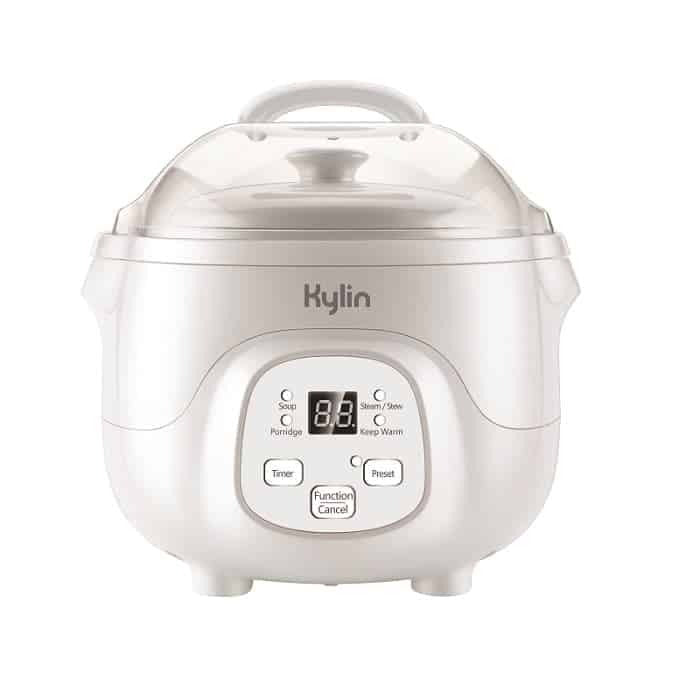
Kylin Electric Multi Stew Slow Cooker 0.7L AU-K1007
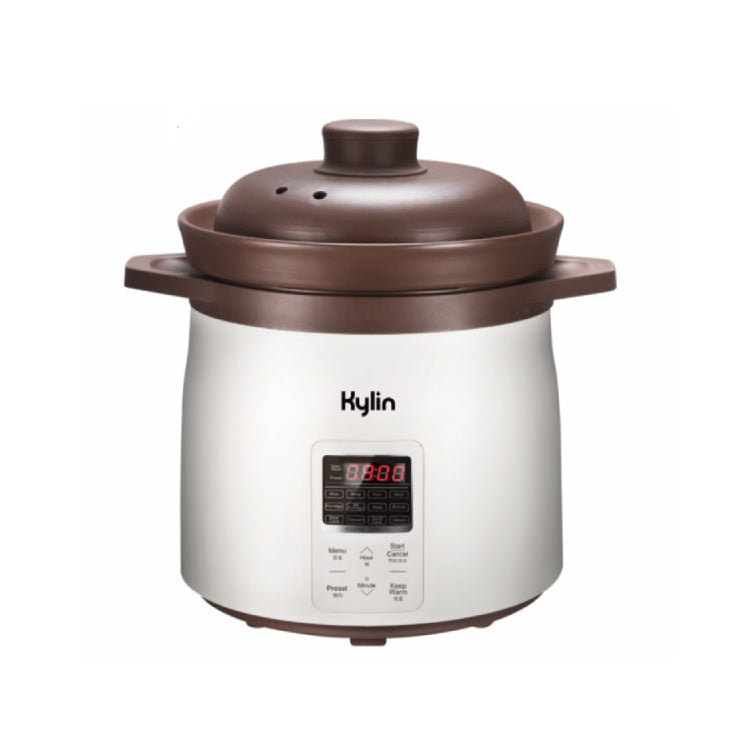
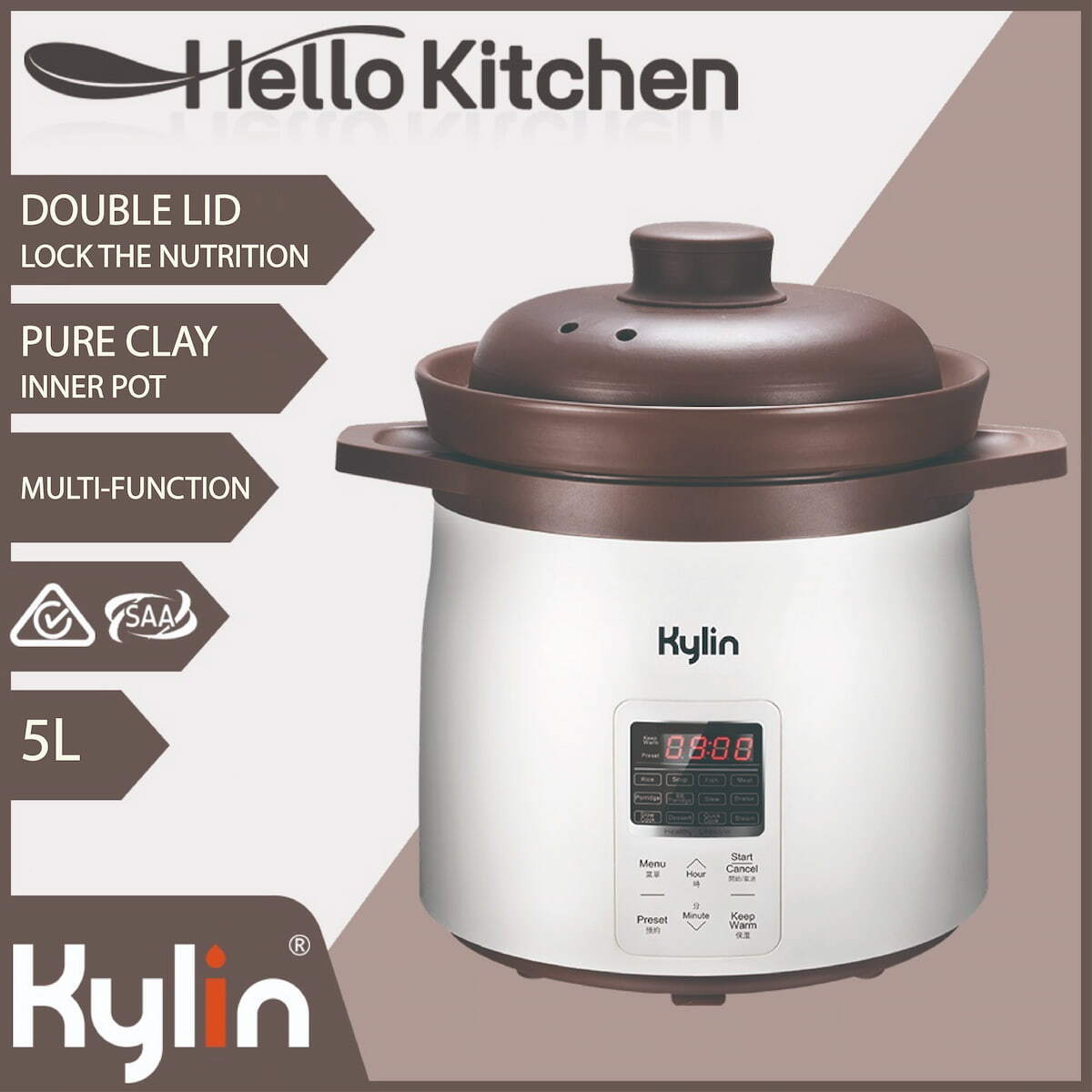
Kylin Electric Purple Clay Pot Slow Cooker 5L - K2021


Kylin Electric 1500W Hotpot with Stainless Steel Inner Pot 4L AU-K2011