Marble Non-Stick Cookware: Is It Really Better Than Standard Non-Stick?

If you have shopped for a new frypan or wok recently, you have probably noticed marble coated cookware showing up everywhere. It looks a bit like polished stone, it is usually priced close to standard non-stick, and it is marketed as a healthier, more durable option. But is that actually true, or is it just clever packaging on the same old coating?
Here is what marble non-stick cookware actually is, how it compares to standard non-stick, and whether it is worth the switch for your kitchen.

What is marble non-stick coating?
Marble coated cookware is not made from real marble. The name refers to the speckled stone-like finish, which comes from a mineral based coating applied over a die cast aluminium base. Compared to a standard PTFE non-stick coating, the marble coating has a higher heat tolerance and holds up better under repeated high heat use, like stir frying on gas at full flame.
A well made marble pan is 100% PTFE and PFOA free, which means no synthetic chemical coating is involved. That is a meaningful difference for anyone trying to cook with fewer synthetic materials in daily use. Hello Kitchen's marble non-stick wok is a good example, built with die cast aluminium for even heat distribution and no hot spots.
Marble vs standard non-stick: the real differences
Standard non-stick pans use a PTFE coating, sometimes recognised by brand names like Teflon. It works well at low to medium heat but can start to break down and release fumes if it is overheated, and the coating tends to scratch and wear faster with regular use.
Marble coated pans are built to handle more heat before the surface starts to degrade, which is why they produce noticeably less smoke during high heat stir frying. The coating is also generally more scratch resistant than basic PTFE, although it still is not as tough as pure iron or stainless steel.
In terms of everyday cooking, both surfaces release food easily and need very little oil. The main gap shows up under high heat and over time, which is where marble tends to hold its performance for longer.

Do you need to change how you cook?
Not really, but a few habits will help any coated pan last longer. Stick to silicone, wooden, or nylon utensils rather than metal ones, since metal will scratch through any non-stick surface eventually. Hand wash rather than using the dishwasher, and let the pan cool down before running it under cold water to avoid warping the base.
Marble cookware works well on gas, electric, induction, and ceramic cooktops, so it fits into most Australian kitchens without needing to check compatibility first. If you are after something for everyday boiling, stewing, and sauces alongside your wok or frypan, the marble non-stick saucepan covers that side of the kitchen too.
Is marble non-stick worth it?
If you are cooking at high heat regularly, such as stir frying in a wok, marble coating is a genuine upgrade over standard non-stick. It handles the heat better, produces less smoke, and holds up longer under everyday wear. If your cooking is mostly low and slow, the difference will be less noticeable, but the PTFE and PFOA free coating is still a reasonable reason to choose it over a basic non-stick pan.
Browse the full cookware range to compare marble, ceramic, and pure iron options side by side and find the right fit for how you cook.

Frequently asked questions
Is marble non-stick cookware safe?
Yes, marble coated cookware is PTFE and PFOA free, meaning it contains no synthetic chemicals associated with traditional non-stick coatings. It is considered a safe option for everyday cooking, including for children and health conscious households.
Can marble cookware be used on induction cooktops?
Most marble coated cookware with a die cast aluminium base and induction compatible bottom will work on induction. Always check the individual product page to confirm before buying.
Does marble coating wear out faster than standard non-stick?
No, it typically lasts longer under high heat use since the coating has a higher heat tolerance than standard PTFE coatings. Using the right utensils and hand washing will extend its lifespan further either way.
Can you put marble cookware in the dishwasher?
Hand washing is recommended to protect the coating and extend the life of the pan. Dishwasher detergents and high heat cycles can wear down the non-stick surface faster over time.
As featured in this article

Hello Kitchen 26cm Ultra Marble Frypan PAF-26

Hello Kitchen 28cm Ultra Marble Frypan PAF-28

Hello Kitchen 30cm Ultra Marble Frypan MOCF-30

Hello Kitchen Marble Non-stick Tamagoyaki Fry Pan

Hello Kitchen Non Stick Marble Saucepan 18cm 20cm
More Cookware


Kylin 5-Ply 316 Stainless Steel Honeycomb Non-Stick Wok with Glass Lid
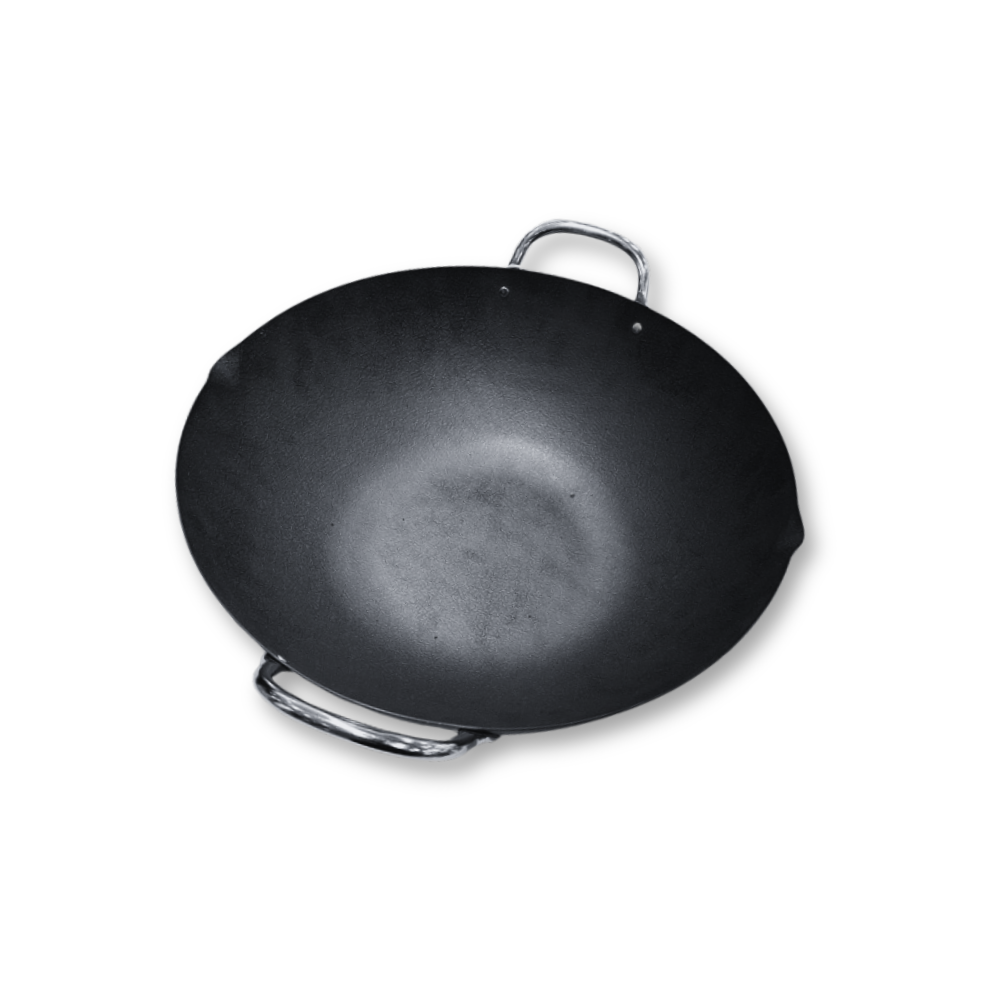
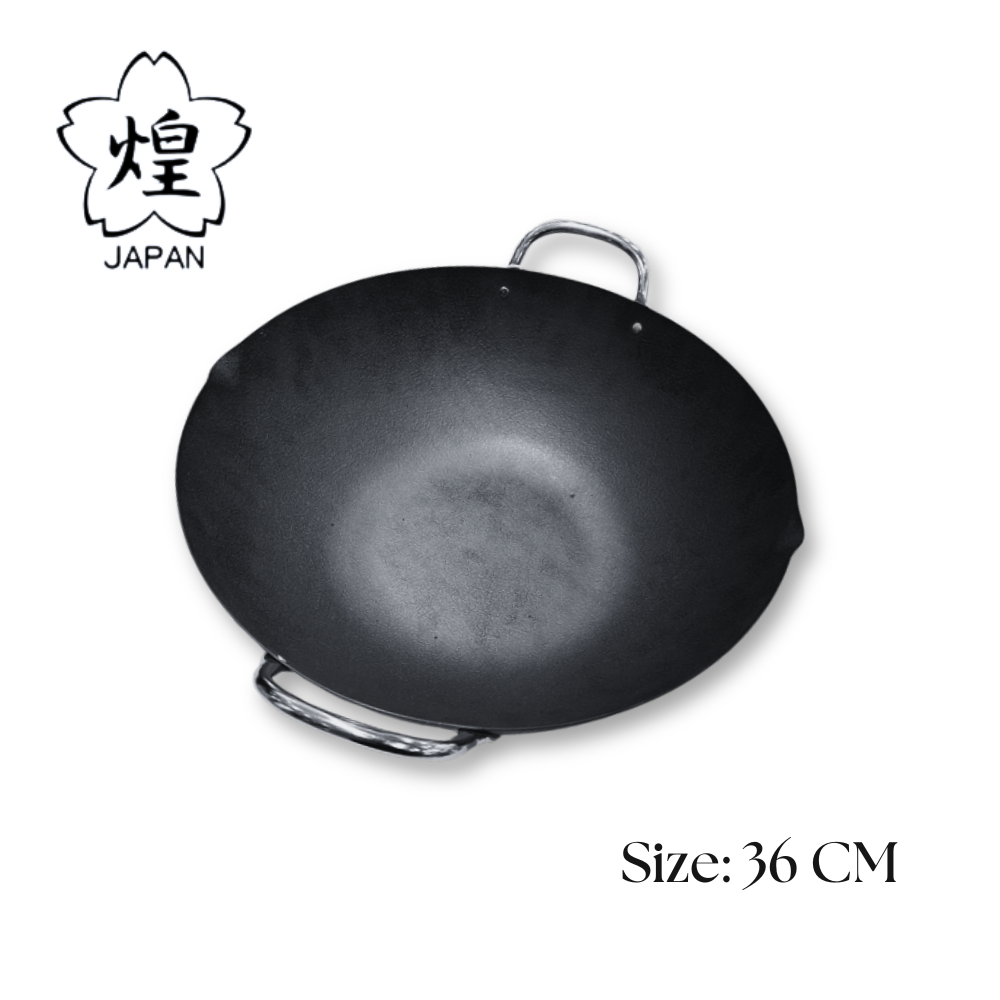
Kirameki Nitriding Processing Double Handle Wok 36cm - 77414


Kirameki Premium Pure Iron Nitriding Processing Stir Fry Wok Made In Japan


Kirameki Pure Iron Double Fiber Line Stir Fry Wok Made In Japan
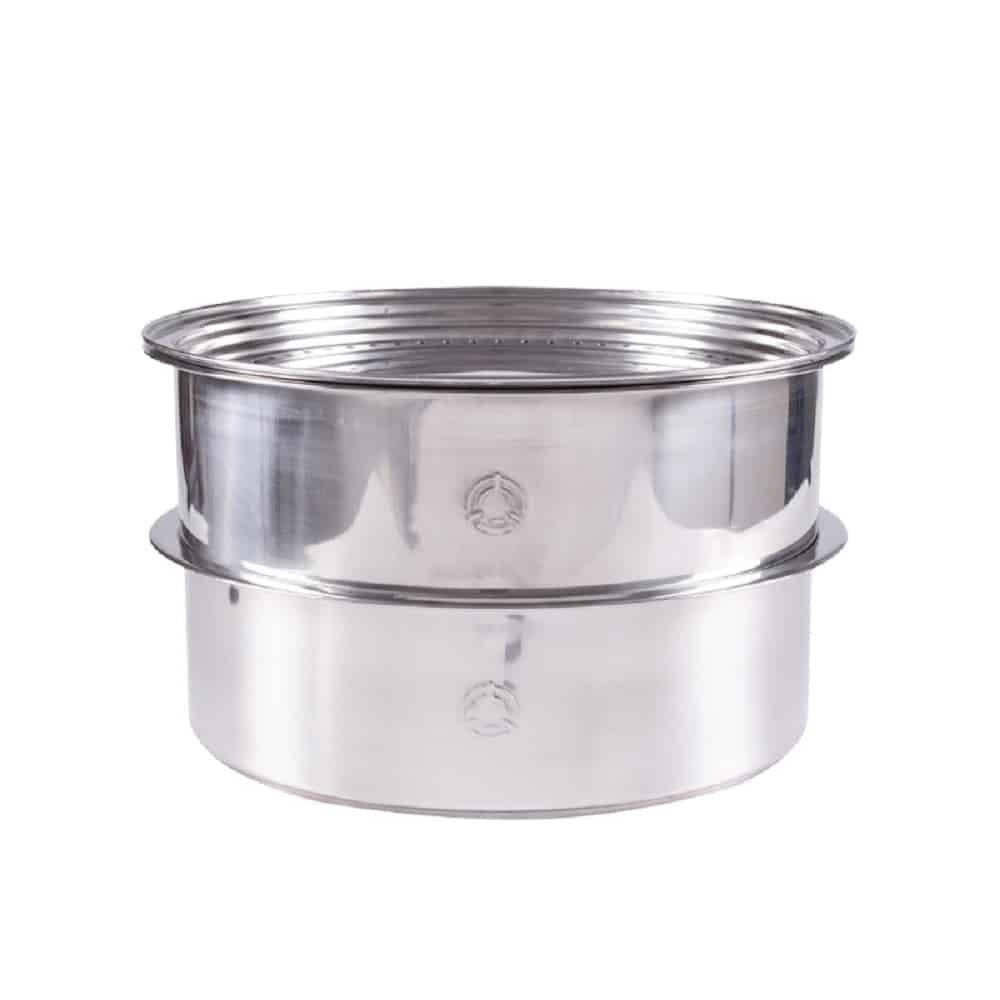
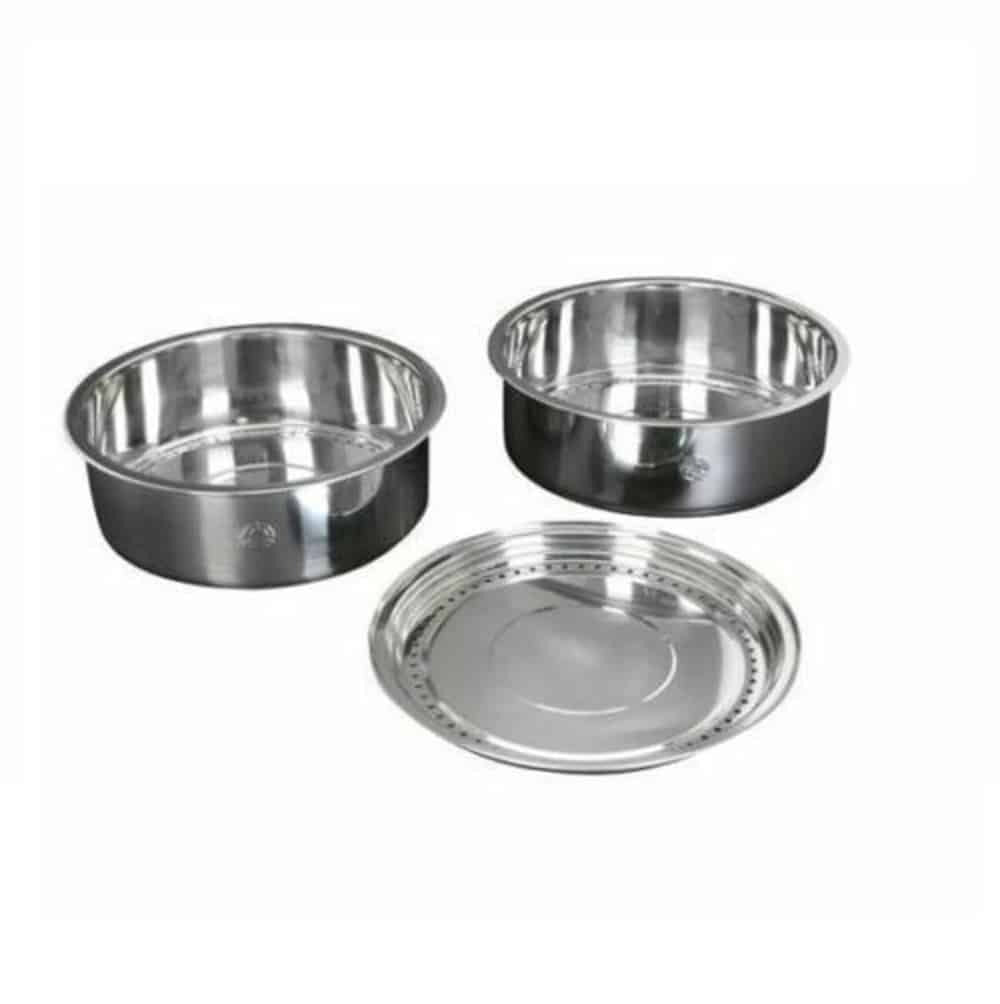
TATUNG Stainless Steel 3 pcs Steamer Set


Hello Kitchen Non-stick Marble Divided Steamboat Hot Pot 30cm
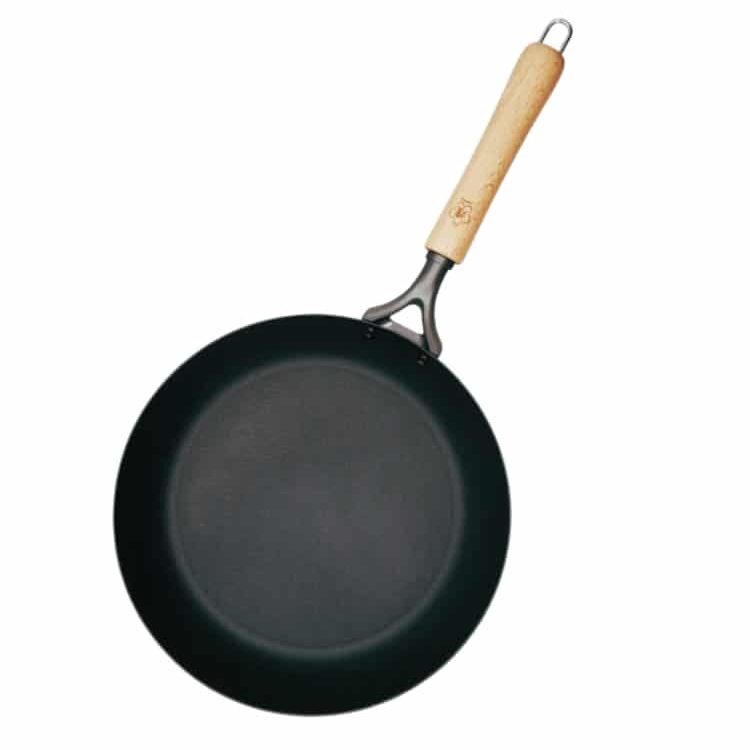
Kirameki Pure Iron Double Fiber Line Frying Pan Skillet Made In Japan