What Is an All-in-One Cooker? A Complete Guide

The honest answer is: an all-in-one cooker is a single electric appliance that combines the functions of several separate cookers, most commonly a rice cooker, pressure cooker, slow cooker, and steamer, into one pot with programmable settings. The real question isn't whether it can do all of that, most can, it's whether you'll actually use more than three or four of those functions regularly.
Jump to a Section
- What an All-in-One Cooker Actually Is
- Our Picks: All-in-One Cookers
- How One Appliance Handles Multiple Cooking Styles
- Factors at a Glance
- Does a Higher Function Count Actually Mean Better Cooking?
- Who Actually Benefits From an All-in-One Cooker
- Function Comparison Table
What an All-in-One Cooker Actually Is
An all-in-one cooker, often marketed as a multicooker, is built around one heating element and one pot, with digital or dial-based controls that adjust temperature, pressure, and timing to mimic different types of cookers. Instead of owning a separate rice cooker, pressure cooker, slow cooker, and steamer, you get one appliance that switches between these modes depending on what you're making. The inner pot is usually non-stick, stainless steel, or ceramic, and most models include interchangeable accessories, like a steaming rack or a second inner pot, to support the different cooking styles.
Our Picks: All-in-One Cookers
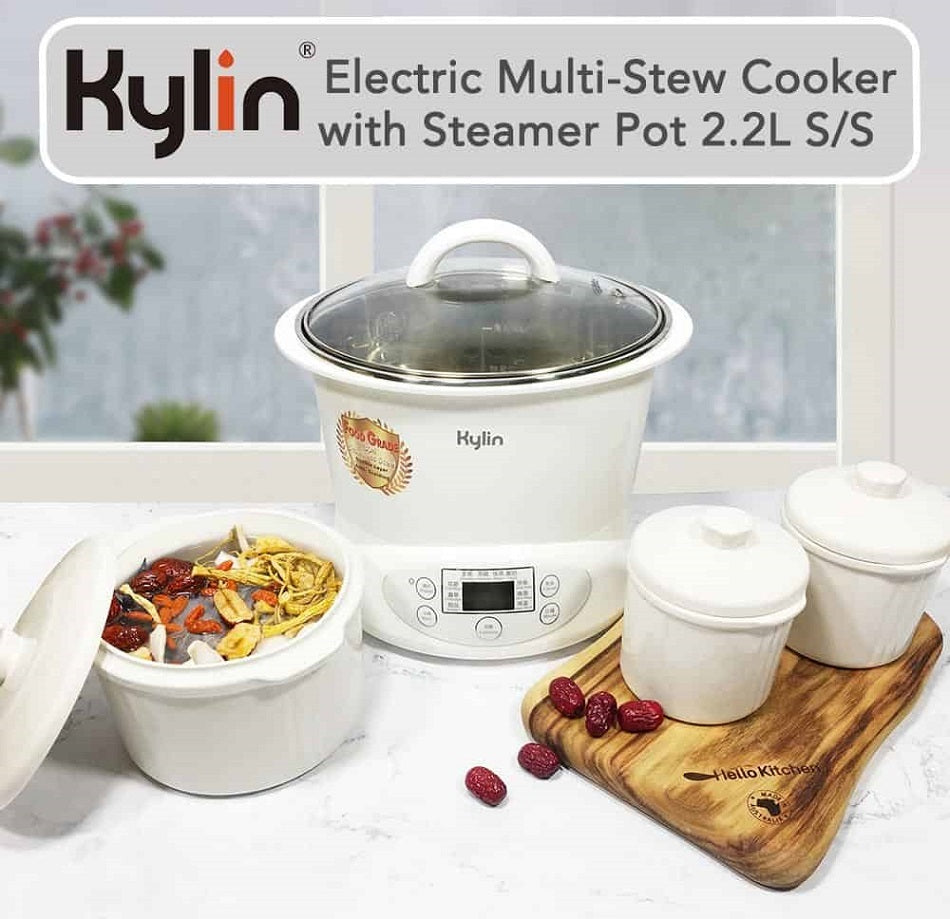
The SUPOR Electric Pressure Cooker 2L is a good entry point, combining pressure cooking with dedicated programmes for rice, porridge, baby food, and stews in one compact 2L pot. For a wider spread of functions, the Joyoung Electric IH Pressure Cooker 50IHS99 includes 9 cooking functions and two interchangeable inner pots, including an iron pot, so it stretches further into searing and browning than most basic multicookers. If slow cooking and steaming matter more to you than pressure cooking, the Kylin Electric Slow Cooker Stainless Steel Ceramic Pot Steamer 2.2L comes with three steaming containers, making it better suited to households that steam vegetables, dumplings, or fish regularly.
How One Appliance Handles Multiple Cooking Styles
The trick behind all-in-one cookers isn't magic, it's just precise control over heat and pressure. Rice cooking uses moderate, steady heat with a sensor that detects when the water has been absorbed. Pressure cooking seals the lid and builds internal pressure to raise the boiling point of water, cooking tougher foods faster. Slow cooking uses low, extended heat similar to a dedicated slow cooker, just controlled by the same circuit board rather than a separate appliance. Steaming relies on an insert or rack that holds food above the waterline while the base heats water into steam. Because all of these rely on variations of heat and moisture rather than fundamentally different mechanisms, one well-engineered heating element can reasonably replicate most of them.
Factors at a Glance
Space saved: One appliance instead of three or four.
Functions you'll likely use: Rice, pressure cooking, slow cooking, steaming.
Functions often unused: Yoghurt making, cake baking, sous vide (on models that include them).
Best value: Models with 4-6 core functions rather than 15+ rarely-used presets.
Trade-off: One pot means you can only cook one style of dish at a time.
Does a Higher Function Count Actually Mean Better Cooking?
Not necessarily, and this is one of the more common misconceptions in multicooker marketing. A "15-in-1" cooker often achieves that number by counting variations of the same core function separately, for example, listing white rice, brown rice, and sushi rice as three distinct functions when they're really just different time and temperature presets within the same rice cooking mode. What actually determines cooking quality is the heating element's power, how evenly it distributes heat, and whether the pressure or temperature sensors are accurate, not the number of buttons on the control panel. A cooker with 5 well-executed functions will often outperform one with 15 functions if the underlying hardware is weaker. When comparing models, it's worth looking past the headline function count and checking which specific functions you'll realistically use.
Who Actually Benefits From an All-in-One Cooker
All-in-one cookers make the most sense for smaller kitchens, apartments, or anyone who doesn't want several single-purpose appliances taking up bench and cupboard space. They're also a practical choice for people who cook a genuine mix of dishes, rice one night, a slow-cooked stew the next, steamed vegetables another, since one appliance covers all of it without needing separate purchases. They make less sense for someone who almost exclusively cooks one style of food, for example, a household that only ever needs a rice cooker would likely get better results and better value from a dedicated rice cooker rather than paying for pressure and slow-cook functions they'll never touch.
Function Comparison Table
| Function | Dedicated Appliance | All-in-One Cooker |
|---|---|---|
| Rice cooking | Often more precise presets | Good for everyday use |
| Pressure cooking | Typically higher max pressure | Adequate for most home cooking |
| Slow cooking | Larger capacity options | Fine for small to medium batches |
| Steaming | Dedicated tiers for larger volumes | Good with included accessory rack |
| Kitchen space | Multiple appliances needed | One appliance, one power point |
Frequently Asked Questions
Can an all-in-one cooker really replace a dedicated rice cooker?
For most households, yes. The results are very close to a dedicated rice cooker for everyday white and brown rice, though households that cook rice multiple times a day may still prefer a dedicated cooker for slightly more consistent texture.
Is it a problem that I can only cook one dish at a time?
It's worth planning around if you regularly cook multi-component meals at the same time, such as rice alongside a slow-cooked dish. For most households cooking one main dish per meal, this isn't a practical limitation.
How do I know which functions I'll actually use before buying?
Think about what you already cook regularly rather than what sounds useful in theory. If you already own a kettle and toaster, for example, you likely don't need a multicooker with those functions built in, even if the model advertises them.
Do all-in-one cookers wear out faster than single-purpose appliances?
Not inherently, since the wear mostly comes down to how often the appliance is used rather than how many functions it has. A well-built multicooker used daily will last similarly to a well-built dedicated appliance used at the same frequency.
As featured in this article

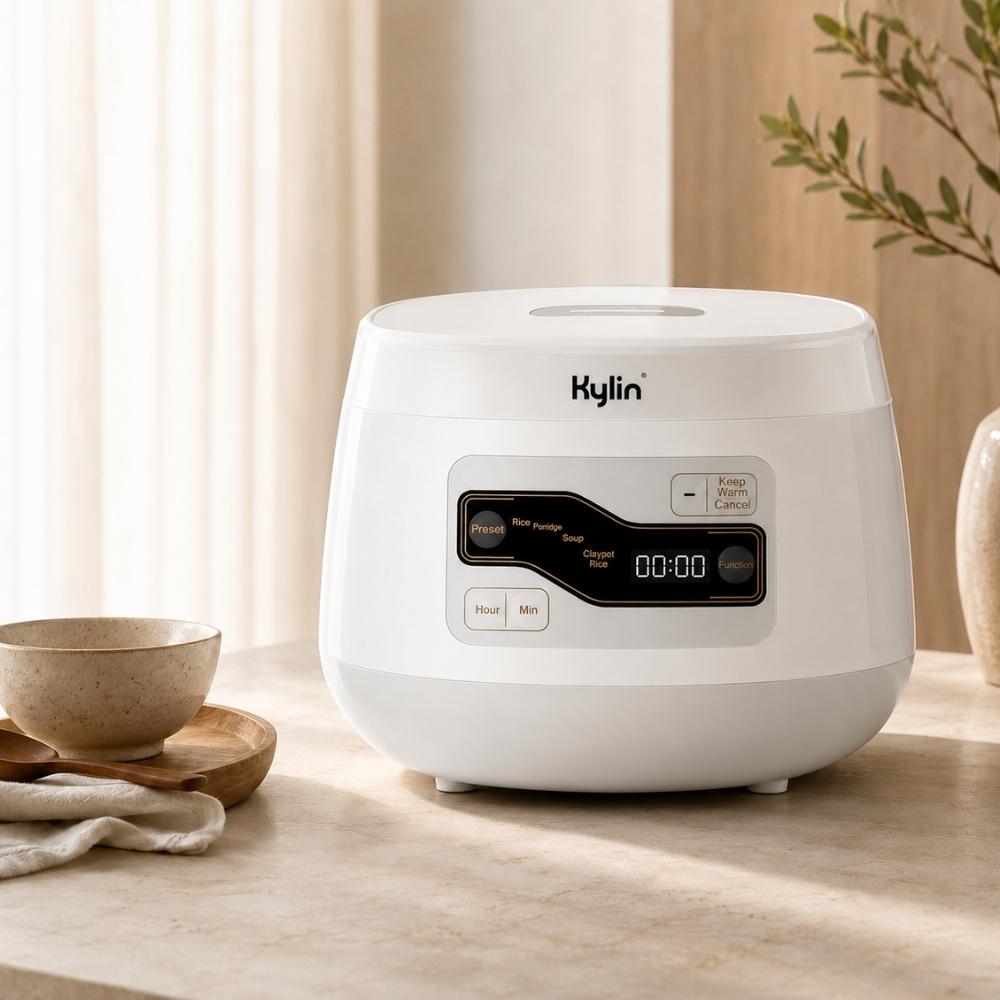
Kylin Mini Non-stick Multicooker Steam Rack Included White 1.2L 600~700W AU-K6412

Kylin Electric Slow Cooker Stainless Steel Ceramic Pot Steamer 2.2L With 3 Containers AU-K1022

Kylin Electric 1500W Hotpot with Stainless Steel Inner Pot 4L AU-K2011
More Slow Cookers & Multicookers


Kylin Mini Non-stick Multicooker Steam Rack Included White 1.2L 600~700W AU-K6412
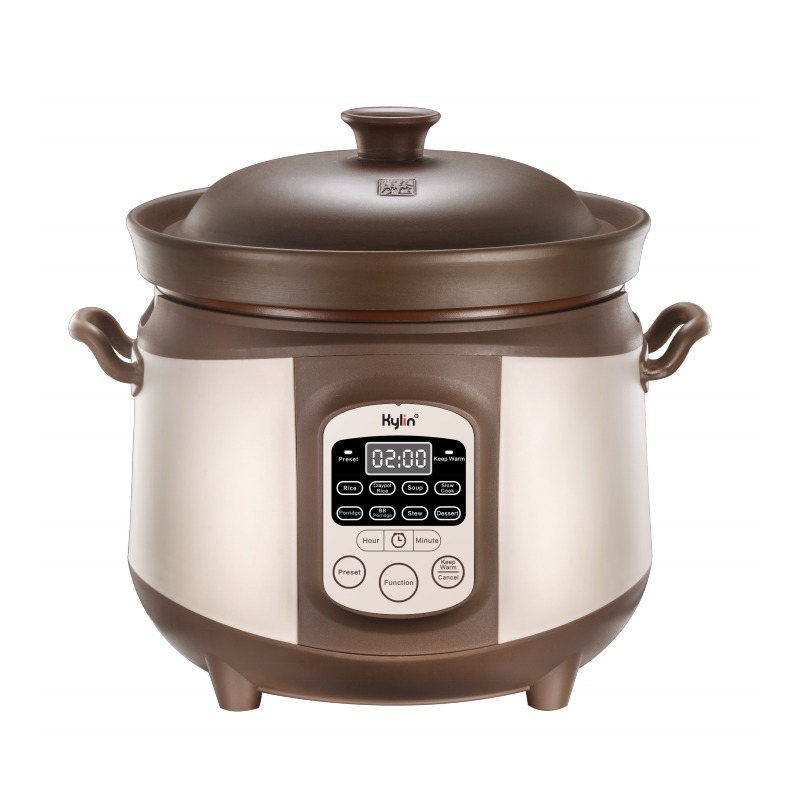
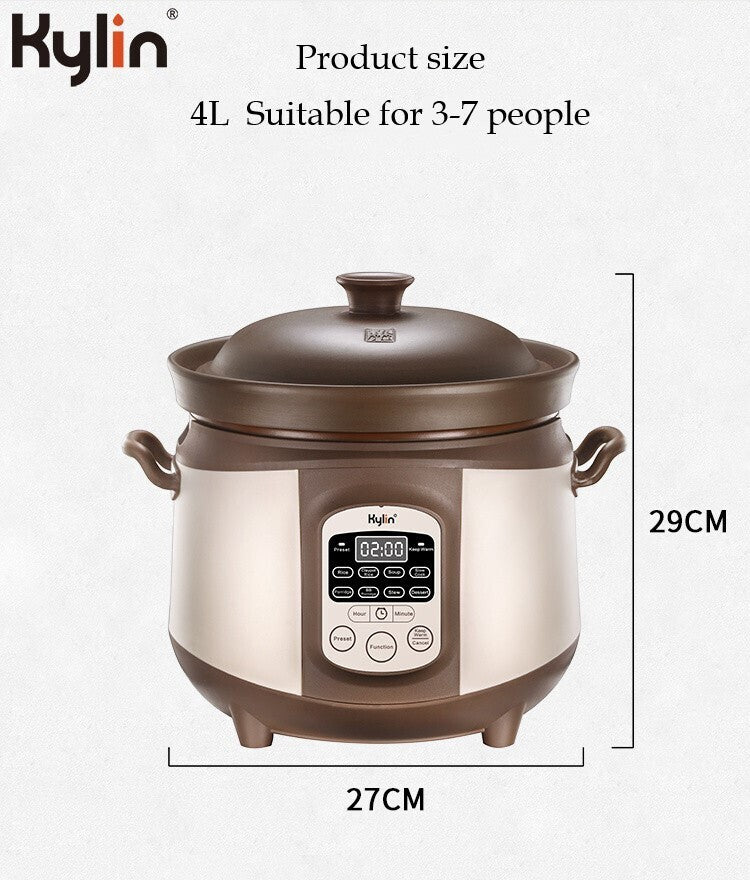
Kylin Electric Purple Clay Pot Slow Cooker 4L - K2022
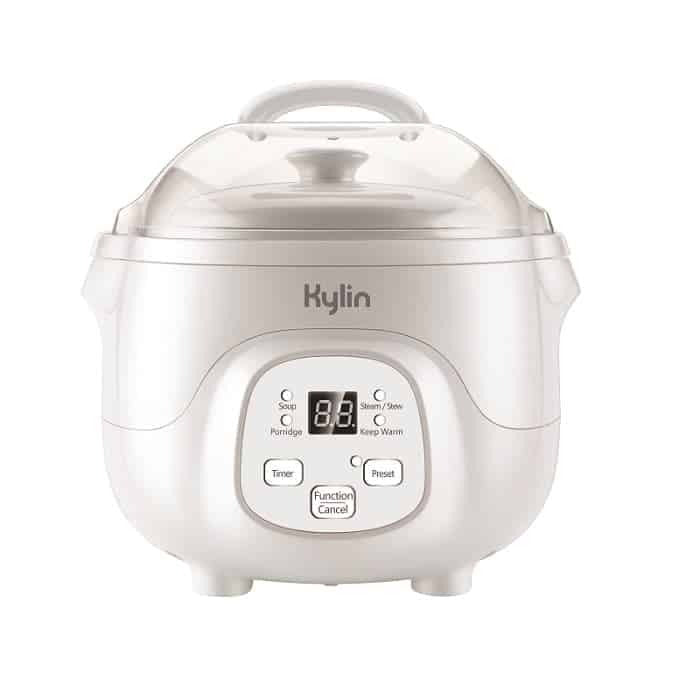
Kylin Electric Multi Stew Slow Cooker 0.7L AU-K1007
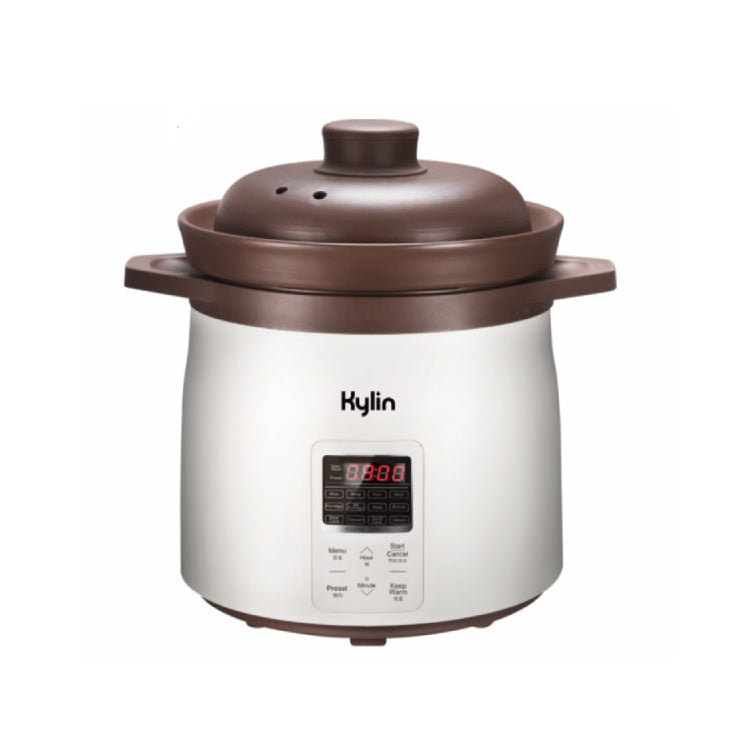
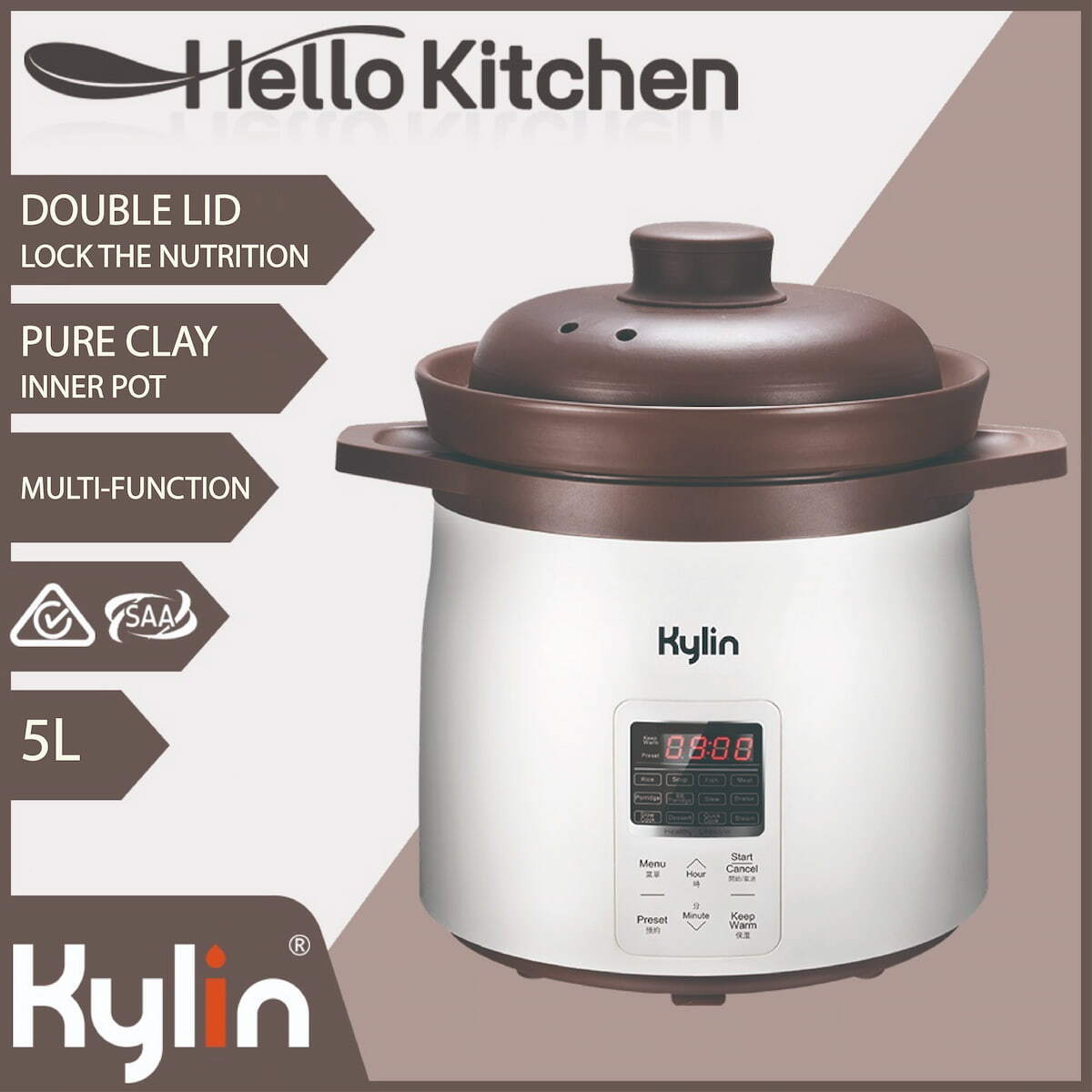
Kylin Electric Purple Clay Pot Slow Cooker 5L - K2021


Kylin Electric 1500W Hotpot with Stainless Steel Inner Pot 4L AU-K2011