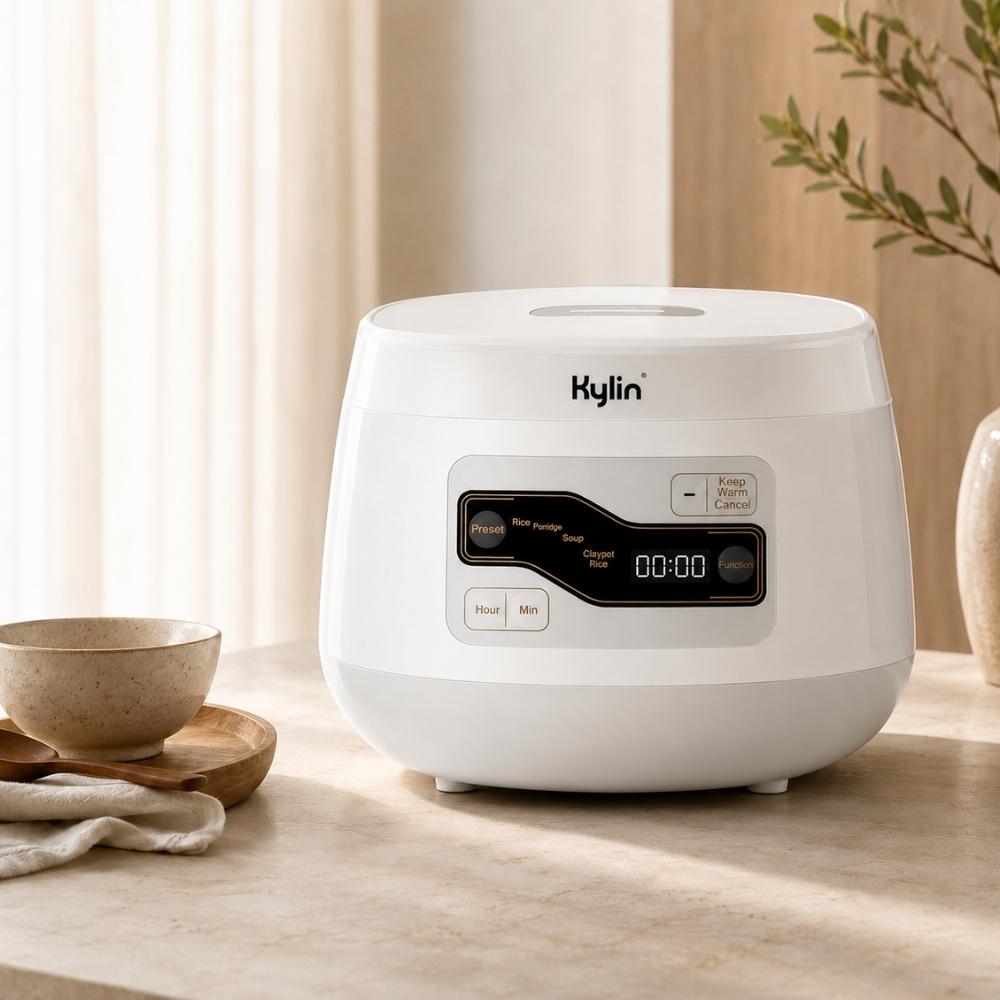
Ceramic Rice Cooker vs Stainless Steel Rice Cooker: Which Is Better?

Two coating-free options. One question worth answering properly.
If you've been shopping for a rice cooker recently and trying to avoid non-stick coatings, you've probably narrowed it down to two options: ceramic or stainless steel. Both are coating-free. Both are considered safer long-term alternatives to traditional non-stick pots. But they're not the same thing, and depending on how you cook, one is likely going to suit you better than the other.
Here's an honest breakdown of both.
First, Why Does the Inner Pot Material Matter?
Most standard rice cookers use a non-stick coated inner pot, typically aluminium with a Teflon-style coating. It works well when new, but that coating degrades over time. Once it starts to scratch or peel, a lot of people understandably feel uneasy about continuing to use it, and for good reason.
Ceramic and stainless steel inner pots solve that problem differently. Neither has a synthetic coating. Both are considered food-safe for long-term daily use. But the way they cook rice and the way you need to maintain them are quite different.
Ceramic Inner Pots: What You Need to Know
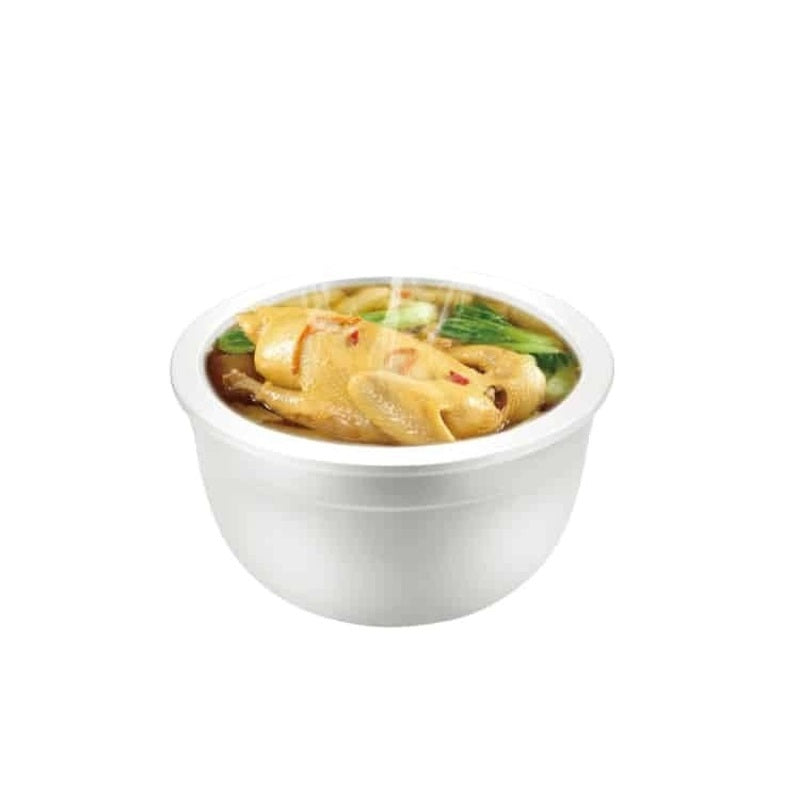
A ceramic inner pot is made from a natural clay-based material that has been kiln-fired into a smooth, hard surface. There's no chemical coating involved at any point in the process. What you're cooking in is essentially a glazed ceramic vessel, which is one of the oldest food-safe materials humans have ever used.
The main appeal from a cooking perspective is heat distribution. Ceramic conducts and retains heat more evenly than metal, which means the temperature stays consistent throughout the cooking cycle rather than running hotter at the base and cooler at the sides. For rice, this translates to more evenly cooked grains — less stickiness at the bottom, better texture throughout.
Ceramic also doesn't transfer any metallic taste into food, which some people notice with stainless steel pots, particularly when cooking plainer rice without seasoning.
The trade-off is durability. Ceramic is more fragile than metal. It can chip or crack if knocked or dropped, and once it does, the pot needs to be replaced. It's also not dishwasher safe for most models — hand washing is recommended to preserve the surface.
Best ceramic rice cooker options at Hello Kitchen:
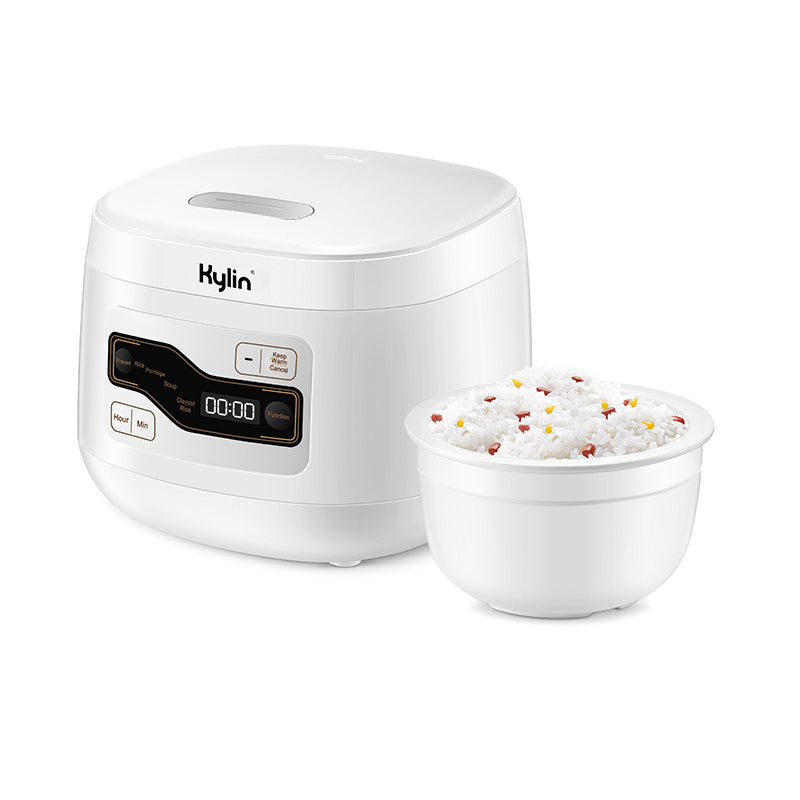
The Kylin ceramic rice cooker range covers 3 cup, 4 cup, 6 cup, and 8 cup models, all using a fully ceramic inner pot with no PTFE or PFOA. The 3 cup AU-K1012 is a good starting point for singles or couples, while the 8 cup AU-K1040 suits larger households that cook rice daily. All Kylin ceramic models come with multiple cooking modes including white rice, multigrain, porridge, congee, and claypot rice.
Stainless Steel Inner Pots: What You Need to Know
A stainless steel inner pot is exactly what it sounds like — food-grade stainless steel, typically 304 or 316 grade, with no coating of any kind. It's the same material used in professional kitchens, surgical equipment, and high-end cookware because it's essentially inert: it doesn't react with food, doesn't leach anything, and doesn't degrade over time the way coated pots do.
The durability advantage over ceramic is significant. A stainless steel pot can handle being knocked around, stacked with other items, and washed aggressively without any real risk of damage. It will last as long as the rice cooker itself, which for a quality appliance can be decades.
The main practical difference in cooking is that rice has a tendency to stick to a bare stainless steel surface more than it does to ceramic. This is something TATUNG, who have been making stainless steel rice cookers in Taiwan since 1960, address through their cooking method: their cookers use indirect steam heating rather than direct contact heating, which significantly reduces sticking and produces consistently fluffy results without any coating needed.
Stainless steel pots are also very easy to clean. A soft sponge, warm water, and a little dish soap is all you need. No special care, no worrying about scratching.
Best stainless steel rice cooker options at Hello Kitchen:
The TATUNG TAC-06RM (6 cup) and TATUNG TAC-11RM (11 cup) are the standout stainless steel options. Pure 304 stainless steel inner pots, no coating of any kind, and a design that has been trusted in Taiwanese and Asian households for over 60 years. Available in stainless steel, art gold, white, and crystal black finishes.
Ceramic vs Stainless Steel: Side by Side
| Ceramic | Stainless Steel | |
|---|---|---|
| Coating | None | None |
| Heat distribution | Even, consistent | Good, varies by model |
| Taste neutrality | Excellent | Very good |
| Durability | Moderate (can chip) | Excellent |
| Sticking | Minimal | Can stick without proper technique |
| Cleaning | Hand wash recommended | Easy, more forgiving |
| Lifespan | Replace if chipped | Very long-lasting |
| Best for | Health-conscious, flavour-focused | Durability-focused, low maintenance |
What About Enamel?
Worth a brief mention: the Cooker King Gilded Enamel Rice Cooker Pot is another coating-free option. Enamel is a glass-like surface fused to metal at high heat, making it similarly inert to ceramic. It's a durable, non-reactive alternative that sits somewhere between ceramic and stainless steel in terms of care requirements. Worth considering if you want something a bit different.
So Which One Should You Buy?
If your priority is even heat distribution, great rice texture, and you're happy to handle the pot with a bit of care, a ceramic rice cooker is the better choice. The Kylin range gives you a solid, well-designed ceramic option across multiple sizes, all with multi-function cooking modes.
If your priority is longevity, low maintenance, and a pot that can genuinely last decades without replacement, a stainless steel rice cooker is the smarter long-term investment. TATUNG's approach to indirect steam heating means you get consistently good rice without relying on any coating at all.
Both are significantly better long-term choices than a standard non-stick rice cooker. The question is really just about which trade-offs suit your household better.
Ready to shop?
Browse the full ceramic rice cooker range or the complete rice cooker collection at Hello Kitchen to compare all available options.
As featured in this article

Kylin Electric No Coating Ceramic 3 Cup Mini Rice Cooker 1.2L AU-K1012

Kylin Electric No Coating Ceramic 4 Cups Rice Cooker 2L White AU-K1020

Kylin Electric No Coating Non-stick Healthy Ceramic Rice Cooker in 6 Cups 3L AU-K1030

Kylin Electric Multi-Function Non Coating Ceramic 8 Cups Rice Cooker 4L AU-K1040

TATUNG TAC-06RM 6-Cup Stainless Steel Rice Cooker
More Ceramic Rice Cookers
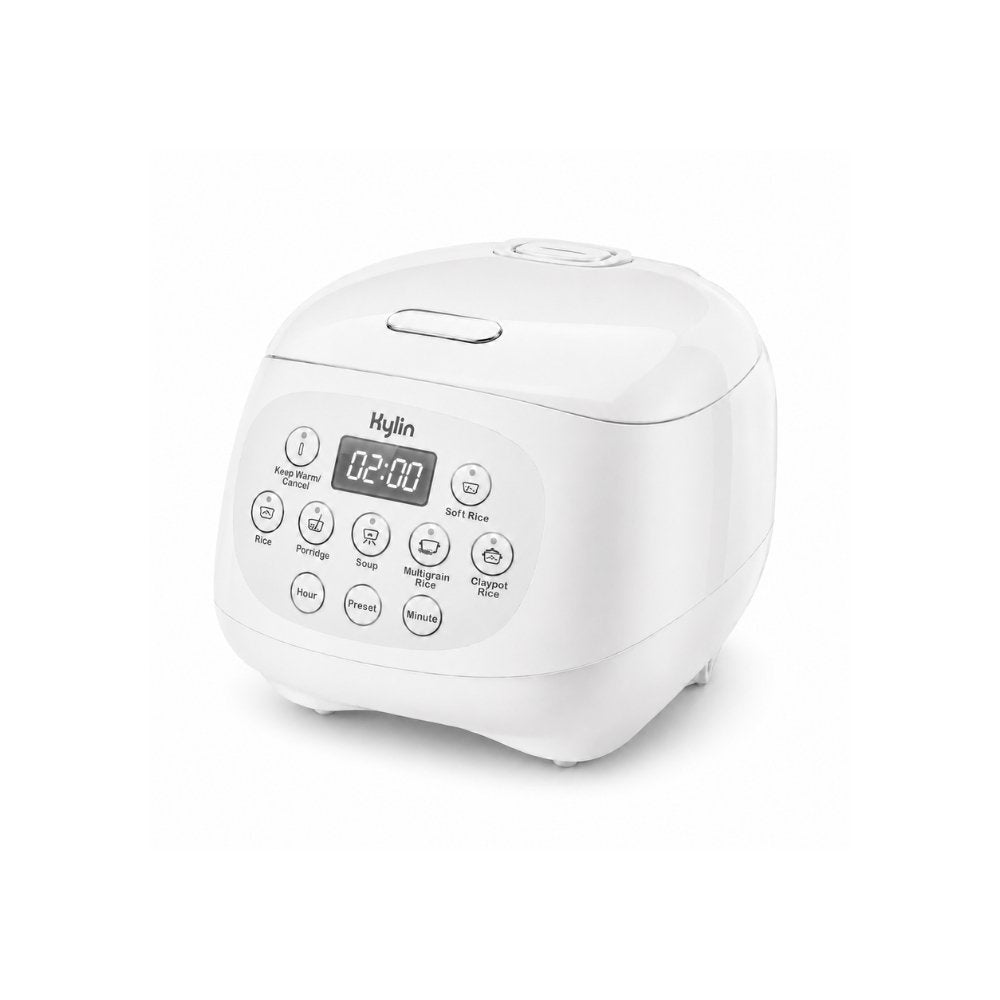

Kylin Electric No Coating Ceramic 3 Cup Mini Rice Cooker 1.2L AU-K1012


Kylin Electric No Coating Ceramic 4 Cups Rice Cooker 2L White AU-K1020


Kylin Electric No Coating Non-stick Healthy Ceramic Rice Cooker in 6 Cups 3L AU-K1030


Kylin Electric Multi-Function Non Coating Ceramic 8 Cups Rice Cooker 4L AU-K1040

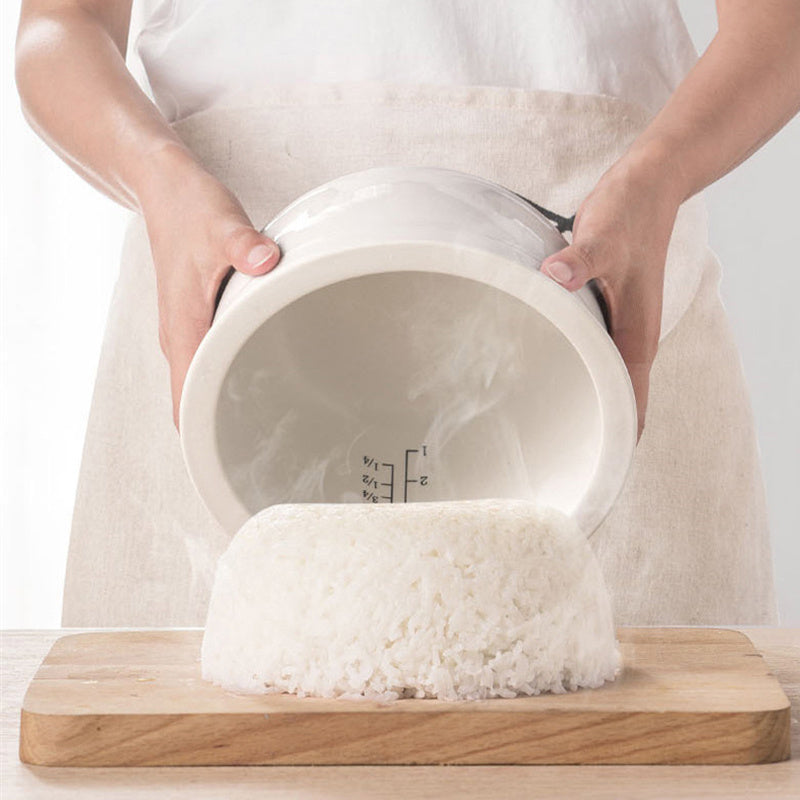
Kylin Rice Cooker Ceramic Inner Pot 3 cups Replacement AU-K1012
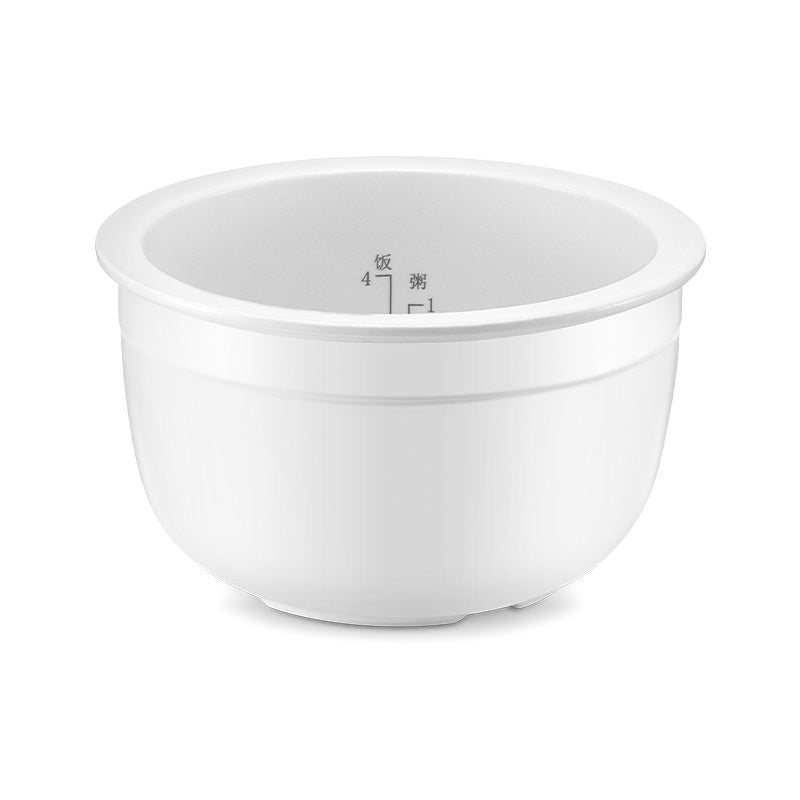
Kylin Rice Cooker Ceramic Inner Pot 4 Cups Replacement AU-K1020
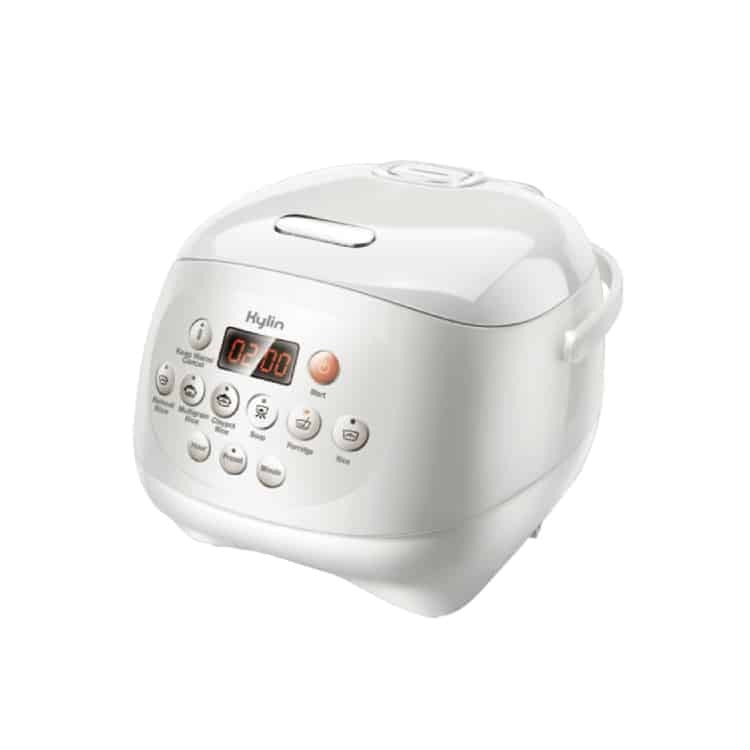
Kylin Rice Cooker Ceramic 6 Cups Inner Pot Replacement AU-K1030